
Summer's tiny lanterns

As darkness falls on a warm summer evening, a tiny green light may suddenly appear among the grasses. It might look like something from a fairy tale, but this mysterious glow belongs to one of Britain's most fascinating insects – the glow-worm.

The glow-worm is not actually a worm at all, but a beetle. While males look like typical brown beetles with wings, the nightly glow of a female is unmistakeable. During June and July, females climb up plant stems and grass stalks, producing a green light from their abdomens to attract males. The males have large, highly sensitive eyes that are perfectly adapted for spotting these glowing signals in the darkness.

Glow-worms can be found in a variety of habitats across southern England, including chalk grasslands, woodland edges, hedgerows, heathlands, railway embankments and even some gardens. Hampshire's rich network of grasslands provides valuable habitat for these remarkable insects, particularly in places where there are plenty of snails for them to feed on.
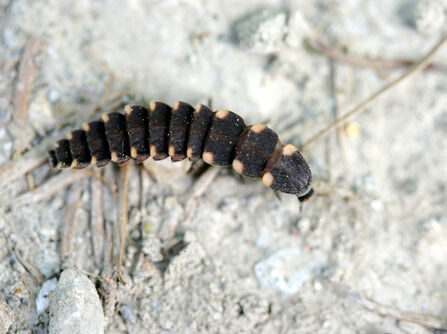
Glow-worms spend most of their lives hidden away. They can live for up to three years as larvae, sheltering beneath stones and deep within grassy tussocks. During this time they are skilled predators, feeding mainly on slugs and snails. They inject their prey with digestive chemicals that paralyse and break down the soft body, making them surprisingly effective hunters despite their small size.

Adults, however, are only around for a short time. After emerging in early summer, they have just a few weeks to find a mate and reproduce. In fact, adult glow-worms do not feed at all, dedicating all their energy to breeding before their brief lives come to an end.

Although the glowing females attract most of the attention, they are not the only stage of the glow-worm's life cycle capable of producing light. The larvae can also emit a faint glow, and even glow-worm eggs have been known to shine. This extraordinary ability, known as bioluminescence, makes glow-worms one of the most unusual insects found in the UK.