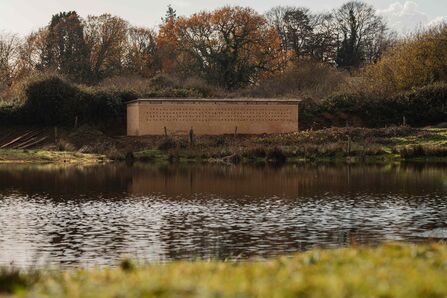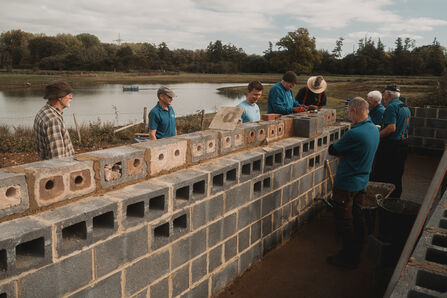
Built by Hampshire and Isle of Wight Wildlife Trust, the purpose-built structure replaces a sand martin bank which has supported the colony for more than two decades but had deteriorated over time. The new bank draws on modern designs and provides a safe and secure home where these iconic migratory birds can nest, lay eggs, and raise their chicks.
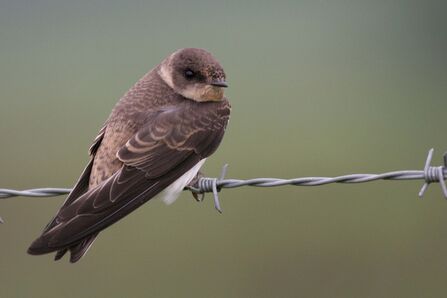
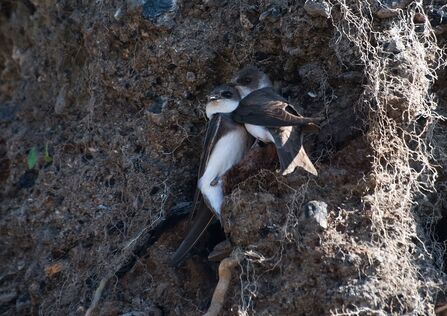
Sand martins nest in natural riverbanks, quarries and sandy cliffs. However, habitat loss caused by development, riverbank reinforcement and erosion has made suitable nesting sites increasingly scarce, meaning artificial nesting banks now play an increasingly important role.
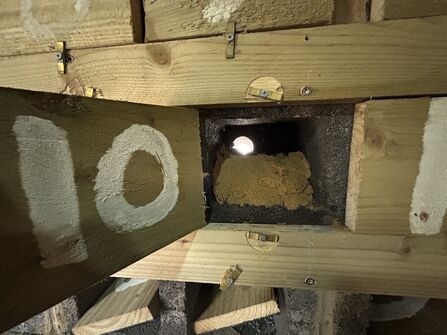
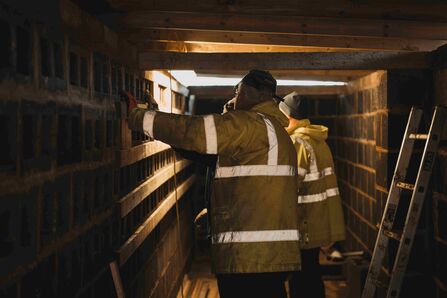
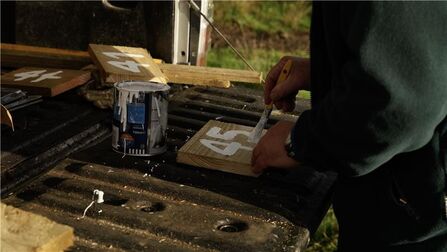
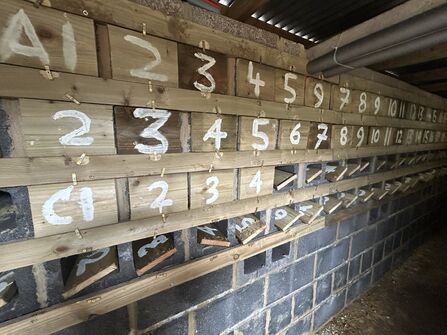
The new moden bank contains nearly 180 nest chambers and is designed to mimic a natural sandy cliff face, reflecting the birds’ natural nesting habitat. A series of small entrance holes on the front of the bank allow the sand martins to fly directly into tunnels angled upwards, which lead to the nest chambers. Each chamber is accessible within the bank via individual wooden doors, allowing Trust staff to easily monitor the colony with minimal disturbance to the birds.
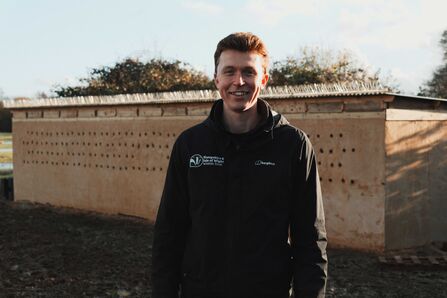
Ben Pickup, Reserves Officer for Lower Test Valley at Hampshire and Isle of Wight Wildlife Trust, said: “The new bank provides sand martins with a safe, stable nesting space to use each year. We have carefully built every tunnel at an angle so that the nests are protected from predators and the weather, while providing the birds with a familiar, natural nesting layout. Here they will be able to carry out their natural behaviours safely - from flying in and out to laying their eggs and raising their chicks.
“With the potential to support nearly 180 pairs, the bank will help secure Testwood Lakes’ colony and boost Hampshire’s sand martin population, giving these amazing little birds the best chance to thrive.”
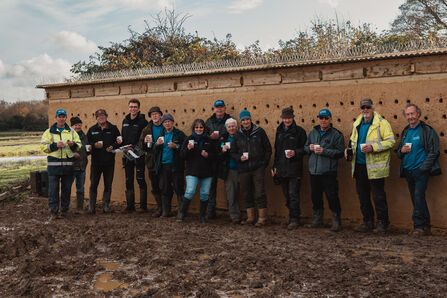
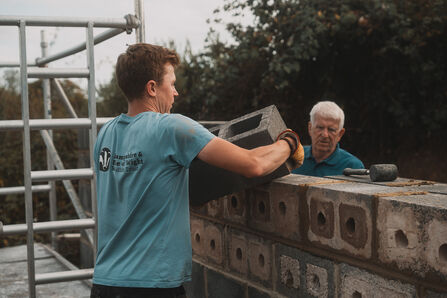
It was built with the incredible help of the Volunteer Task Force alongside the Friends of Testwood volunteer group. It was supported by Hampshire Ornithological Society (HOS), who funded the majority of the construction costs.