Watercress & Winterbournes is a living legacy for Hampshire’s chalk streams

Watercress & Winterbournes is a living legacy for Hampshire’s chalk streams

After six years of restoration, learning and community action, Hampshire & Isle of Wight Wildlife Trust is celebrating the success of Watercress & Winterbournes, a Landscape Partnership Scheme that has restored fragile chalk streams and empowered the people who live alongside them to protect these globally rare habitats for generations to come.

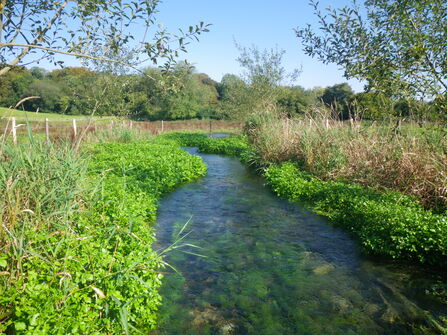
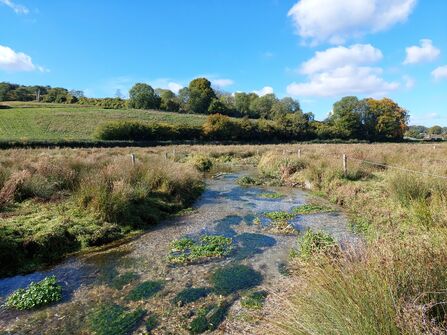
Chalk streams are among the world’s rarest freshwater habitats. Fewer than 200 exist globally, and 80% of these endangered rivers are located in Southern England. At the headwaters of the Rivers Test and Itchen, they rise as clear chalk springs, feeding meadows and wetlands before winding through villages, farmland and historic towns. 

These delicate rivers support extraordinary wildlife, from water voles and trout to kingfishers and a rich diversity of invertebrates. Yet years of pressure (from pollution, sedimentation, invasive species and barriers to fish passage) have placed many chalk streams under threat.

Funded by the National Lottery Heritage Fund and delivered in partnership with 16 organisations, Watercress & Winterbournes set out to reverse these trends through a community-focused catchment approach: restoring habitats while inspiring and equipping people to become long-term stewards of their rivers.

Originally planned as a five-year programme, the scheme was extended by an additional year following delays caused by the COVID-19 pandemic, allowing even more to be achieved on the ground and strengthening its long-term legacy.

Restoring chalk streams at their source

Led by Wessex Rivers Trust, with support from the Wild Trout Trust and local partners, the project delivered an ambitious programme of targeted restoration works, focusing on headwaters where small-scale intervention can deliver benefits across entire catchments.

Over six years, Watercress & Winterbournes delivered:

• 5 kilometres of chalk stream habitat improved, with more than 4 kilometres renaturalised, restoring natural flow, structure and resilience
• 22 habitat enhancement schemes, including channel re-meandering, bank regrading, woody material installation and floodplain reconnection
• 12 sediment mitigation schemes, delivered in partnership with landowners to reduce fine sediment – one of the most damaging pressures on chalk stream headwaters
• 2 fish passage schemes, removing artificial barriers and reconnecting fragmented habitats for fish and other wildlife

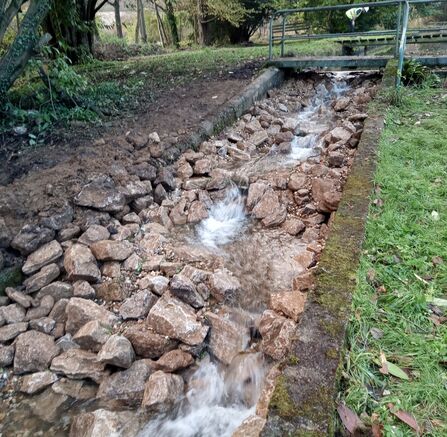
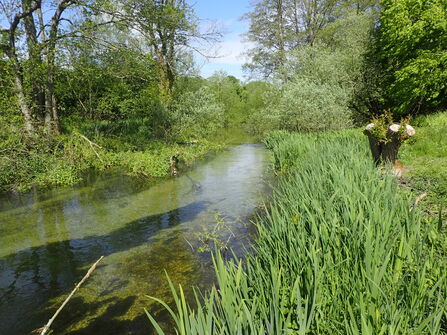
One flagship project saw the replacement of an impassable stepped concrete channel with a new rock ramp on the Bourne Rivulet at the Saw Mill, opening up three kilometres of upstream habitat for migrating fish. Vegetation has flourished alongside the restored channel, with clear ecological benefits visible within a year of completion.

On the Cheriton Stream at Tichborne, restoration addressed an overly wide, straightened reach that had accumulated silt due to slow flows. In 2022, staff and volunteers worked with Portsmouth Services Fly Fishing Association to install woody berms that trap sediment, narrow the channel and restore a more natural chalk stream form, speeding up flows and improving habitat quality.
Measurable benefits for wildlife

The recovery of wildlife has been one of the strongest indicators of success. Water vole surveys on the Cheriton Stream show a clear increase in activity following restoration works. 

In 2021, signs were limited to a small area. By 2023, surveys recorded an additional burrow and run and feeding stations. In 2025 multiple burrows, runs, feeding remains were recorded plus a live sighting – evidence of a growing and more resilient population.

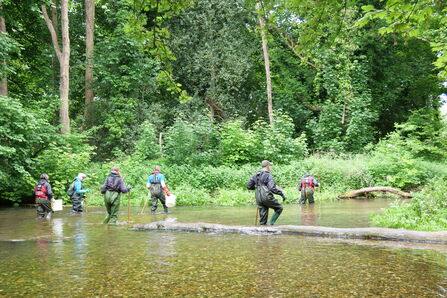
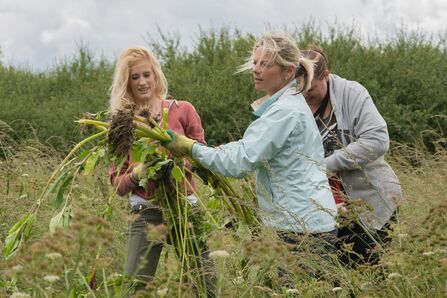
Volunteers also tackled invasive non-native species, monitoring 66 kilometres of stream, contributing 2,156 volunteer hours, and installing 21 mink rafts in hotspot areas to help protect vulnerable wildlife.

Chalk Stream Champions and citizen science

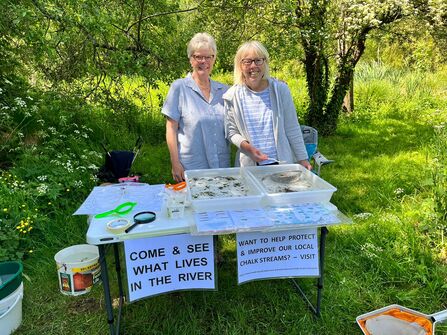
At the heart of Watercress & Winterbournes has been its people. Through the creation and support of Chalk Stream Champions, the project built long-term local capacity to care for rivers beyond the life of the scheme.

Across the project area:

• 305 Chalk Stream Champions were engaged
• 293 people received training
• 3 new community river groups were formed, alongside strengthened existing group

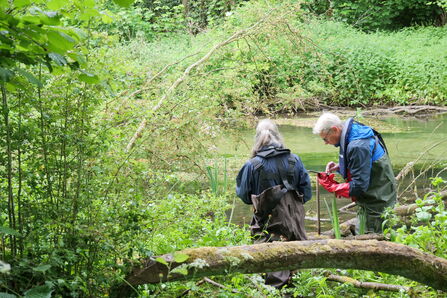
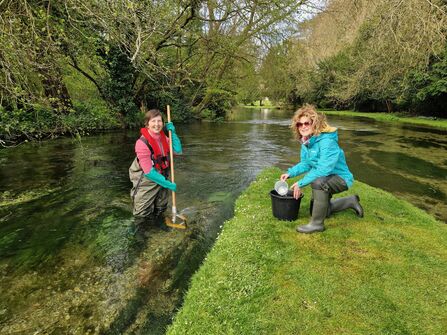
Volunteers have monitored water quality, invertebrates, trout spawning and water voles, creating a detailed picture of river health. As the scheme comes to a close, these trained community members will continue surveys independently, ensuring the rivers remain under close local watch.

Maggie Shelton, Watercress & Winterbournes Community Catchment Officer, said: “Our volunteers have become close friends, and that sense of connection really matters.”

Education, creativity and connection

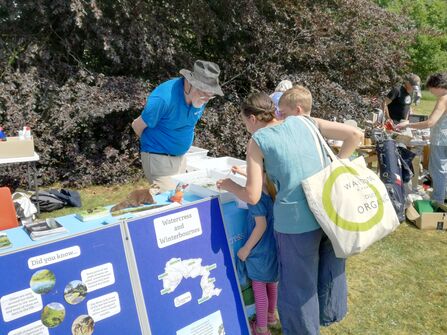
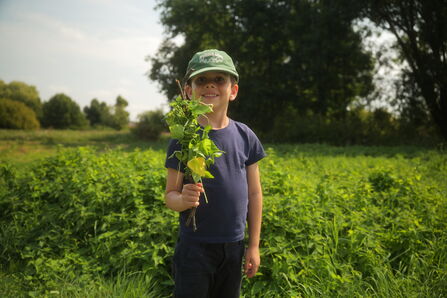
Education and engagement were central to the programme. Supported by National Lottery Heritage Fund funding, the project worked with 26 schools and 30 organised groups, reaching more than 3,500 children through river dipping, assemblies and workshops. 

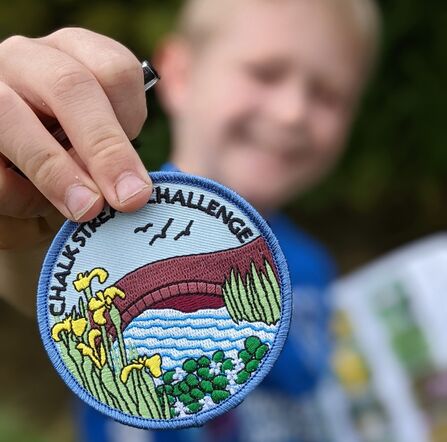
Young people also took part in the popular Chalk Stream Challenge, creating projects such as rainwater planters to highlight water efficiency and the importance of caring for chalk streams.

Chalk streams were celebrated through poetry, photography, literature events, open days and guided walks. Around 60 videos capturing talks, practical restoration and community stories remain available online, forming a lasting learning resource.

A legacy that flows on

The impact of Watercress & Winterbournes reaches well beyond the project area, strengthening partnership working and helping to attract further investment into chalk stream restoration.

Kathryn Boler, Watercress & Winterbournes Partnership Manager said: “When Watercress & Winterbournes began, I hoped we’d do two things: build an army of people to stand up for chalk streams, and make a real difference to the rivers themselves. That’s been a huge challenge, but I do believe we’ve made a real difference – especially to habitats – even though there is still much to do.

“As Watercress & Winterbournes comes to a close, I feel incredibly proud, and a little sad, to see it end. But seeing communities now confidently caring for their chalk streams and leading this work themselves is the greatest legacy we could have hoped for.

“Thank you to everyone involved in Watercress & Winterbournes, from our partners and volunteers to our funders, the National Lottery Heritage Fund, for making this meaningful work possible.”

Martin De Retuerto, Director of Nature Recovery at Hampshire & Isle of Wight Wildlife Trust, adds: “A huge congratulations to the team behind Watercress & Winterbournes. The programme was built on two to three years of development and an enormous amount of consultation and partnership working. It has left a lasting mark on wider catchment collaboration and provided a strong platform to encourage further investment into the Test and Itchen. The level of interest from communities in neighbouring catchments is testament to the way the team has engaged and inspired people.”

With restored habitats, recovering wildlife and committed communities now leading local action, the headwater chalk streams of the Test and Itchen flow into the future with renewed life – carrying a promise that these rare rivers will continue to be cared for long after the funding has ended.