Volunteers and staff step in after weekend damage

Volunteers and staff step in after weekend damage

The Trust thanks wardens, staff and considerate visitors following a recent clean-up, but warns that ongoing littering and irresponsible behaviour are harming wildlife and placing avoidable strain on this charity’s resources.

We want everyone to enjoy our green spaces, they are vital for wellbeing and connection to nature. But at a nature reserve, we share that space with wildlife, and even small actions like leaving litter behind can have serious and lasting consequences for habitats and the species that depend on them.

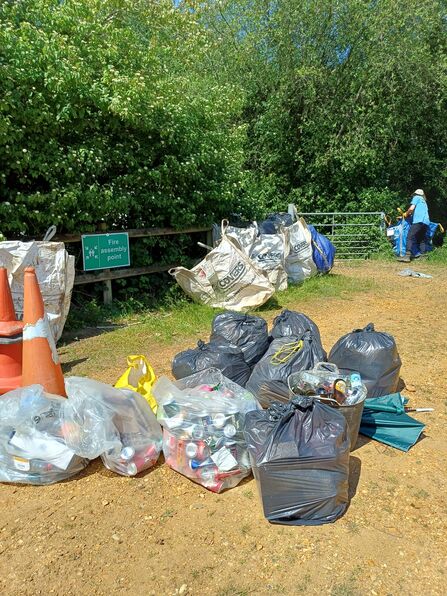
Following recent antisocial behaviour at Testwood Lakes, we would like to say a sincere thank you to those who stepped in to help. Over the bank holiday weekend, our wardens did a fantastic job responding quickly, with Testwood staff continuing that work in the days since to restore the site for both wildlife and visitors.

We are also incredibly grateful to some of our regular early-morning visitors, who quietly go above and beyond by collecting loose litter and leaving it neatly by the bins. These small, thoughtful acts make a real difference and save valuable time for our teams. However, sadly these efforts should not be necessary.
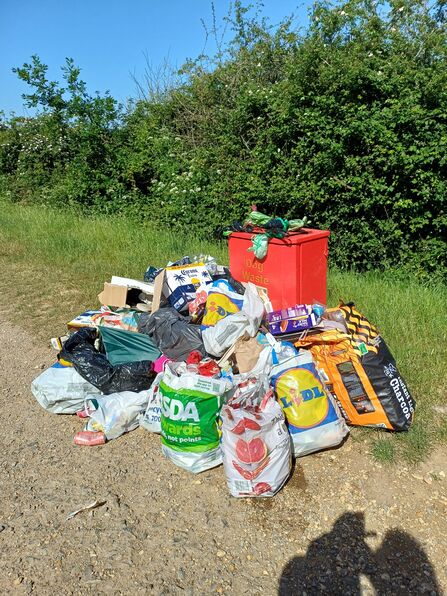
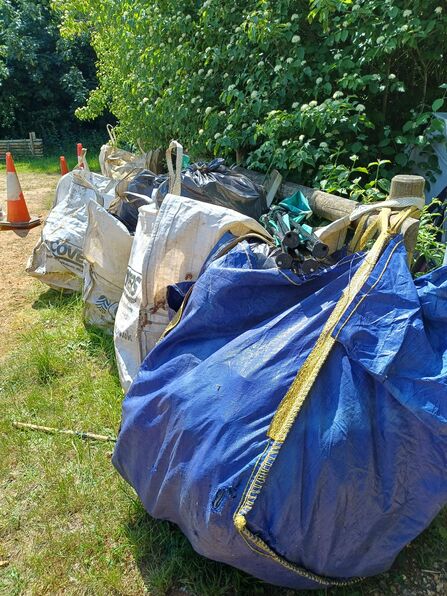
While the vast majority of visitors treat our nature reserves with care and respect, we continue to see damage caused by a small minority. Littering, vandalism and other irresponsible behaviour are putting wildlife at risk, placing avoidable pressure on staff and volunteers, and creating additional costs for the charity - time and resources that would otherwise be spent directly on protecting and restoring nature.

Clare Bishop, Reserves Officer (Lower Test Valley) at Hampshire & Isle of Wight Wildlife Trust said: “It’s incredibly frustrating to come in after a busy weekend and find the amount of litter that’s been left behind. We’re really grateful to the wardens, volunteers and those early-morning visitors who help clear it. Between us we collected 50 sacks of rubbish over the bank holiday weekend”

“We want people to enjoy these spaces, absolutely, but they’re not parks, they’re nature reserves. That means thinking about the wildlife that lives here and the impact our actions have.”

Habitat and wildlife at risk

The impacts of this behaviour are wide-ranging and often underestimated:

  • Habitat damage: Drinks containers and food wrappers in wildflower meadows and woodland margins can smother plants and suppress plant growth.
  • Injure animals: Broken glass and metal cans pose a serious risk to mammals and insects.
  • Aquatic pollution: Plastic, bottles and cans left near the water’s edge often end up in the lakes, where they degrade water quality and endanger fish, amphibians and invertebrates.
  • Harm birds and nesting sites: Ground-nesting birds can become entangled in waste or abandon their nests if disturbed by dogs or people straying from paths. 

As we move into warmer weather, these pressures increase further. Fires, disposable barbecues and other high-risk behaviour can cause significant damage to habitats and present a serious risk to wildlife, as well as to people visiting the site.

Our nature reserves are special and sensitive places, set aside to protect wildlife and support nature’s recovery. They are not spaces that can absorb this level of impact without harm.

We are grateful to the many visitors who already treat these places with care. We ask everyone to play their part: follow site guidance, respect the environment around you, and leave no trace of your visit.

By doing so, we can ensure these spaces remain safe for wildlife and welcoming for everyone who values them.