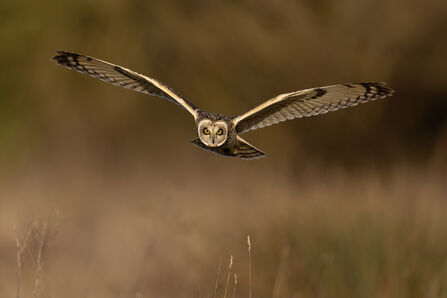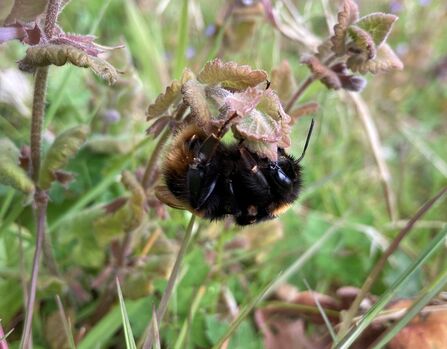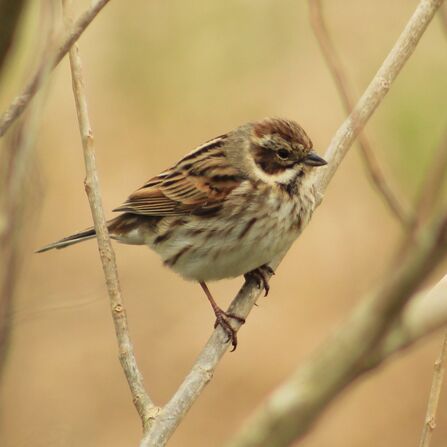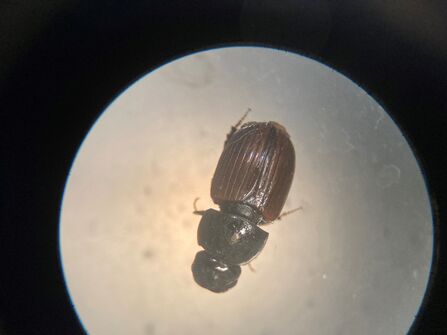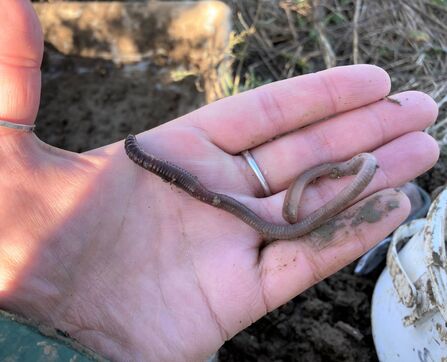
The findings reveal significant gains in both the numbers and variety of wildlife. Bird numbers have almost tripled, butterflies have increased by 117%, bumblebees by 64%, moth species diversity by 70% and earthworm abundance by 66%.
The recovery is also attracting new and rare species. Twenty new bird species and nine new butterfly species have been recorded. Across the rewilding landscapes, 14 bird species are on the Birds of Conservation Red List, and 27 on the Amber List, alongside four threatened butterfly species.
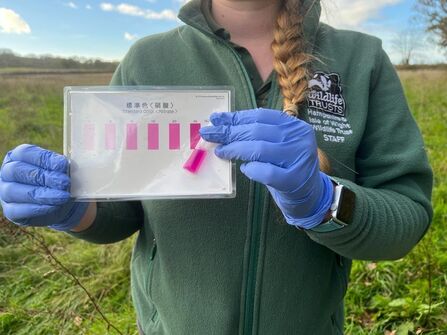
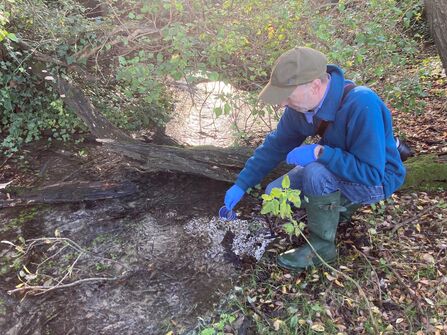
Nature is recovering beneath the surface too, with excess nutrients in former farmland soils declining alongside improvements in water quality.
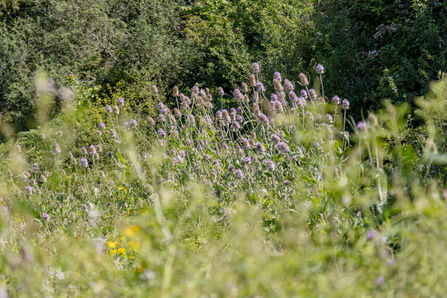
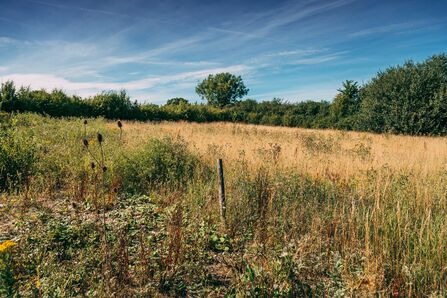
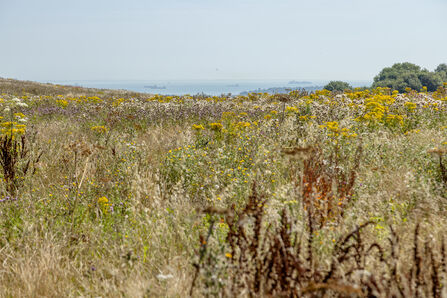
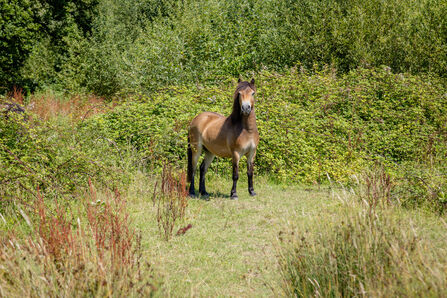
Rewilding is an approach to conservation that helps nature recover by giving natural processes more freedom to shape the land. Over time, this can create a richer mix of habitats, providing more space for nature, where plants and wildlife can spread and increase.
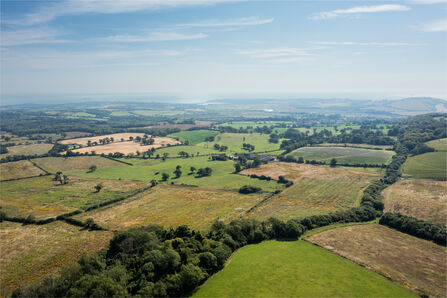
The Trust is using this approach across former intensively farmed land at two sites on the Island. Wilder Little Duxmore, near Newchurch, has been rewilding since 2020, while Wilder Nunwell, near Brading, has been making the transition since 2022.
Aggie Iveson, Nature-Based Solutions Officer at the Trust, said: “Rewilding is about restoring natural processes and creating a rich mosaic of habitats, from woodland and scrub to grassland, wetland and areas of bare ground. We’re already starting to see these habitats develop, creating more opportunities for wildlife.
“One of the biggest highlights has been seeing just how quickly nature can respond when it’s given the opportunity. When we started this journey, we hoped we would see positive change, but I don’t think we knew how quickly we would see it.
“Being involved in monitoring this recovery first-hand has been incredibly rewarding. Every species observation, soil sample collected, transect walked and survey completed helps us build a detailed picture of how these landscapes are changing. Seeing all that work come together and build the evidence for how these landscapes are changing for nature makes it all incredibly worthwhile.”
Sara King, Rewilding Manager at Rewilding Britain, said: “It’s brilliant to see these results and the difference that rewilding is making for nature on the Isle of Wight.
“The findings show what’s possible when we take a more bold approach to nature recovery, with benefits being seen not just in the number of species, but in the health of the wider environment too. Rewilding has a huge role to play in helping nature recover, and we’d love to see more projects taking this approach.”