Engaging with the marine environment through experiential learning.

Engaging with the marine environment through experiential learning.

Written by Abigail Gibbard, Trainee Assistant Training Officer

Most people walking along a beach bring home a pocket full of treasures! How can we turn a simple strandline walk into a learning opportunity? 

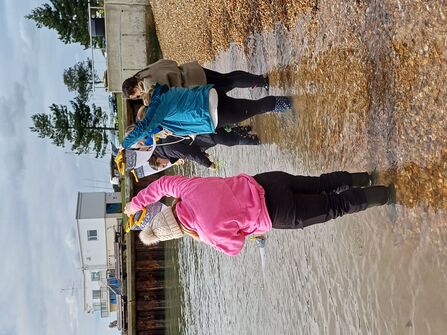
By taking pupils down to a local beach we are able to facilitate learning in many ways. A strandline walk encourages observation and provokes interest - by collecting things children may find interesting we can turn that into opportunities for creative activities which help them to develop a deeper connection to the coastal environment. 

Curating a ‘museum’ of our interesting finds gives children a sense of purpose to use their treasures in a certain way; by sorting them into categories and classifying them into groups they will be comparing and contrasting, ordering, making decisions and explaining their decision-making to their visiting audience. They may need to identify what they have found to help them decide on classification, thereby using ID guides and spotter sheets. 
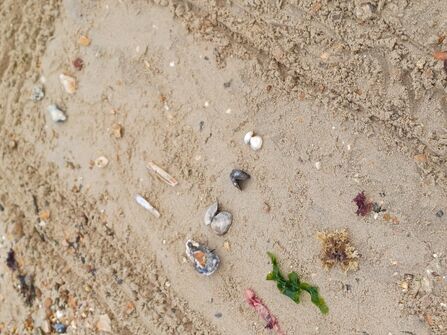
A strandline walk may produce a plethora of different shells and a chance to discover their names, the type of shell, where it comes from – is it a native species or has it travelled across the world to land on our shore? This offers so many interesting opportunities; from telling stories of travel and adventure, to learning about the - often strange - world of shells, their inhabitants and their life cycles.

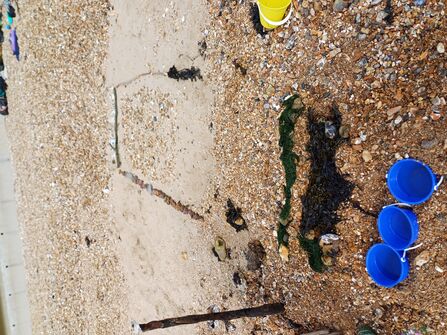
Mapping the beach using materials found on it encourages a sense of space, increases observation skills and allows children to connect with that environment. They may need to consider perspective, ratio and proportion, they might have to use team skills and develop co-operation with others. They may need to look at items in different ways to be able to use something to interpret a section of the beach. 

Collecting things of interest on a beach can also lead to creative art activity - mandalas, stone stacks, pictures of sea creatures can all be created in a simple space on the beach and can be adapted to your beach environment, whether sandy or stony. The canvas and art materials are what you have available!

a swan made from shells and stones laid flat on a beach

©Abigail Gibbard

Commonly found beach litter should provoke many conversations about the human impact on the marine environment. Where does it come from? What impact does it have on marine life? How can we stop it from happening? All valid questions and can lead to research and citizen science opportunities for the children to get involved with. How can something destructive and harming be turned into a positive outcome? Your pupils could be involved with beach cleans, they could trace the litter back to source, get involved with campaigns aimed at improving the beach environment, all dependent on their age and stage.

Our ‘simple’ strandline walks can lead to so much learning in a rich and ever-changing environment.