Toad migration season is here

As winter loosens its grip, an extraordinary wildlife migration takes place. While most of us are heading home from work or settling in for the night, hundreds of toads are setting out on an ancient journey — one that increasingly brings them into conflict with modern life.

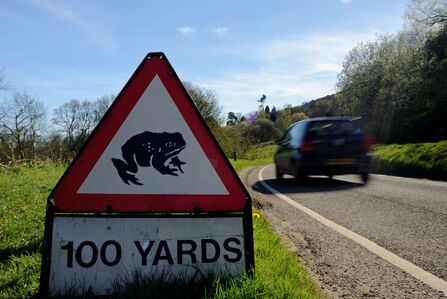
Each spring, common toads instinctively return to the very ponds where they were born to breed. This remarkable navigation, guided by environmental cues we are only beginning to understand, has taken place for thousands of years. Today, however, roads, fences and other manmade barriers stand in their way.

Last year, Hampshire & Isle of Wight Wildlife Trusts’ Education and Engagement team at Swanwick Lakes Nature Reserve rescued 170 toads and seven frogs found trapped along a security fence. They, including several mating pairs, were carefully collected, counted and safely released so they could continue their journey to breeding ponds and spawn the next generation. The team were once again busy this year helping toads and frogs crossing the same migration route. 
The UK is home to only a small number of native amphibians. Of the four native frog species found here, two are actually toads, the common toad and the natterjack toad, making them a particularly special part of our natural heritage.

Toads are often overlooked, yet they play a vital role in healthy ecosystems. As both predators and prey, they help control insect populations while providing food for birds, mammals and other wildlife. They are also considered an indicator species, meaning their health reflects the health of the wider environment. Because their permeable skin is highly sensitive to pollution and habitat change, declining toad numbers can serve as an early warning sign of environmental problems.

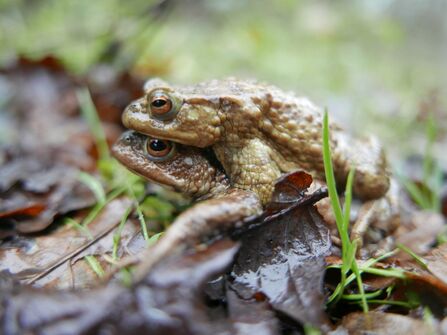
Unlike the smoother, long-legged frogs many people recognise, toads are sturdier in appearance. They have squat bodies, shorter back legs and a broader, rounded snout. Their dry, bumpy skin, often described as warty, helps them retain moisture while spending much of their lives on land. Colouring ranges from earthy browns to olive tones, perfect camouflage against leaf litter and soil. Behind their eyes sit distinctive glands that produce a mild defensive toxin called bufotoxin, deterring would-be predators. 

Despite these remarkable adaptations, toad populations are steadily declining due to habitat loss, pollution and climate change. They are now listed as a biodiversity priority species under the Natural Environment and Rural Communities Act.