Traditional hay harvest helps restore rare wildflower meadow

Traditional hay harvest helps restore rare wildflower meadow

Freshly cut green hay harvested from a species-rich meadow managed by Hampshire & Isle of Wight Wildlife Trust is helping create a new wildflower meadow at Hinton Ampner, offering hope for one of the UK's most threatened habitats.

Wildflower meadows were once a familiar part of the British landscape, but around 97 per cent have been lost since the 1930s due to agricultural intensification, development and changing land management practices. Fragments that remain are among the richest habitats for wildlife, supporting a wide variety of wildflowers, pollinating insects, birds and mammals.

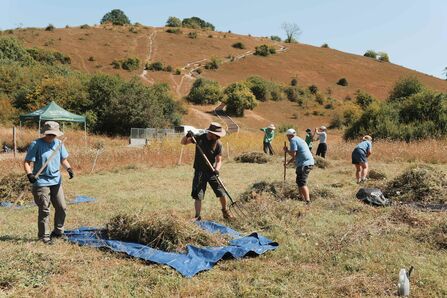
To help restore the rare habitat, staff and volunteers from Hampshire & Isle of Wight Wildlife Trust joined forces with the National Trust, South Downs National Park Authority and CPRE Hampshire to harvest green hay from a botanically diverse area at the foot of St Catherine's Hill Nature Reserve near Winchester.

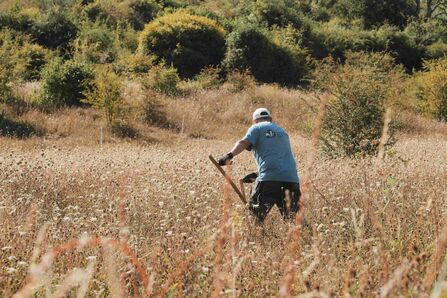
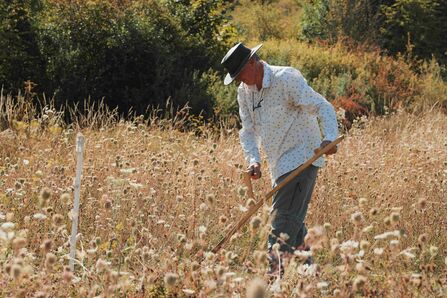
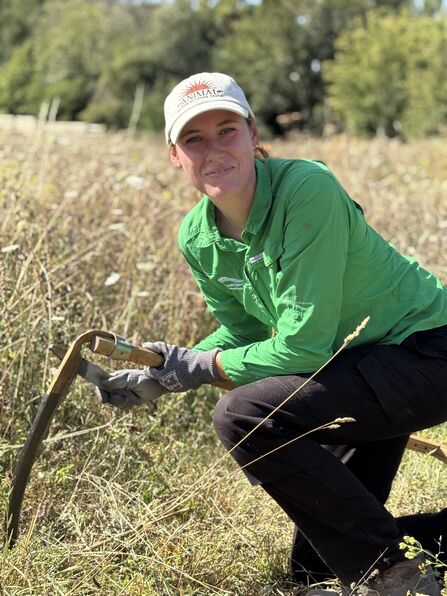
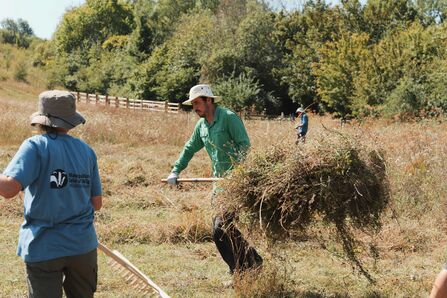
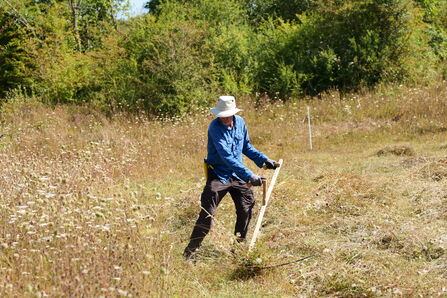
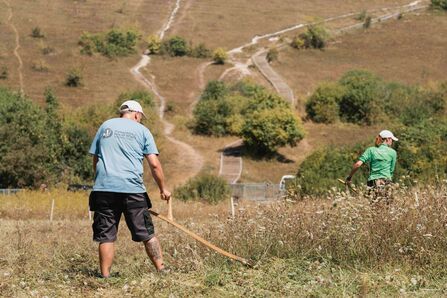
Using a combination of traditional scythes and brushcutters, teams cut the meadow by hand before raking the hay into rows and loading it onto trailers. The freshly cut material was then transported straight to Hinton Ampner, where it was spread across a 5.8-hectare former arable field while still rich in seed.

Unlike conventional hay, green hay is gathered and moved while still fresh, allowing seeds from native grasses and wildflowers to be transferred directly to a new site where they can germinate and establish.
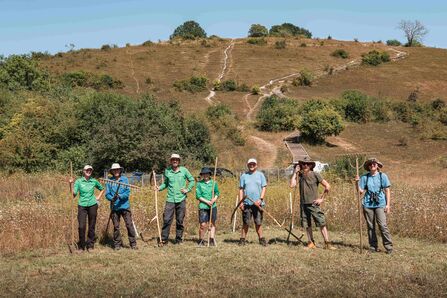
Andy Reeves, Reserves Officer from Hampshire & Isle of Wight Wildlife Trust, said: "It was fantastic to see staff and volunteers from different organisations working side by side to make this happen. There was a real sense of teamwork as people cut, raked and loaded the hay together, knowing that every trailer load will help create new habitat for wildlife.

“By sharing green hay from a meadow rich in native flora, we're using a simple but highly effective way of introducing native wildflower species to land that was previously farmed. The hay contains seeds from a wide variety of grasses and wildflowers, helping speed up the creation of wildlife-rich grassland and increasing space for nature across the wider landscape.

“In years to come, the new meadow will provide a home for a wide range of wildlife including rare species too, such as the chalkhill blue butterfly and skylark birds. It's exciting to think that a day's work could help nature thrive for years to come."

The project highlights how organisations are working together across Hampshire to restore nature on a larger scale. By sharing expertise, volunteers, equipment and natural resources, partners are helping create bigger, better and more joined-up habitats for wildlife.

Paul Collins, Area Ranger at Hinton Ampner, National Trust, said: "Historically, the landscape between St Catherine's Hill and Hinton Ampner would have been connected before it was fragmented by housing, farming and roads. By bringing our organisations together and sharing resources, we're helping to recreate some of those lost connections and create more space for wildlife to thrive."

The meadow restoration forms part of the National Trust’s wider Reimagining Project, which aims to expand habitats, support wildlife recovery, promote regenerative land management and help landscapes adapt to climate change.

CPRE Hampshire Volunteer Ken DeSouza, who helps manage local wildflower meadows, said: "It's great to meet like-minded people and do something practical for nature. I'm just doing my little bit to help restore nature.”

The green hay was collected from a botanically diverse meadow at the foot of St Catherine's Hill Nature Reserve, outside the Site of Special Scientific Interest (SSSI). Each summer, areas of the meadow are carefully cut as part of Hampshire & Isle of Wight Wildlife Trust's conservation management programme. This traditional approach helps maintain the species-rich grassland by preventing scrub and invasive vegetation from taking hold, as well as stripping nutrients from the soil, allowing wildflowers to flourish and providing habitat for wildlife. Uncut buffer strips are also retained to offer food and shelter for insects and other animals.

The hay-harvesting day highlights the important role volunteers play in nature recovery. Hampshire & Isle of Wight Wildlife Trust offers a range of volunteering opportunities to help restore and protect important habitats across the two counties. To find out more information on how to volunteer, visit the Trust website here.