A landscape under pressure: drought, wildlife and changing climate

Drought and climate change are putting the landscape and wildlife under growing pressure. Discover how extreme heat, low river flows, wildfires and flooding threaten chalk streams, freshwater habitats and species, and how Hampshire & Isle of Wight Wildlife Trust is helping nature recover through river restoration and resilient landscapes.

A dry summer changes the landscape quietly at first. Grass fades from green to gold, ponds shrink, river stones emerge, and the clear water of chalk streams begins to slow and warm. These may look like familiar signs of summer, but for wildlife they are early warnings of growing pressure across the whole ecosystem. 

This year, that pressure has become extreme. July 2026 was the driest July on record for England and Wales, while southern England received just 1.9mm of rainfall — only 3% of its long-term average. These conditions led to Hampshire and the Isle of Wight, along with several other regions across England, being declared in drought.

Climate change is making extreme weather events more common and more severe. Longer periods of hot, dry weather are increasingly being followed by intense rainfall, creating a cycle of drought, flooding and wildfire that places enormous strain on wildlife and the habitats they depend on.

For Hampshire & Isle of Wight Wildlife Trust, this is not an abstract future risk. Our teams are already seeing the effects across nature reserves, rivers, wetlands and coastal habitats.

a drone shot showing a dry landscape impacted by drought. in the background is the cityscape of Portsmouth

©Aggie Iveson

Natural disasters - wildfires and flooding

One of the most immediate and devastating consequences of prolonged dry weather is wildfire.

Across heathlands, grasslands and woodland edges, vegetation can become tinder dry within days. A single spark from a barbecue, campfire or discarded cigarette can ignite a blaze that spreads rapidly across the landscape, leaving destruction in its wake.

When heathland burns, the impact is felt far beyond the loss of vegetation. Wildfires can wipe out nesting sites, destroy insect-rich habitats and kill wildlife unable to escape the flames, heat or smoke. Bare, scorched ground is left vulnerable to erosion, while surviving species can lose the food, shelter and breeding sites they depend on.

Some of our most vulnerable wildlife is particularly at risk. The silver-studded blue butterfly relies on healthy heather habitats that can take years to recover after fire. Hampshire is also home to all six of Britain's native reptile species, many of which depend on heathland and struggle to escape fast-moving fires. For these species, a single wildfire can cause significant wildlife losses and set local populations back for years.

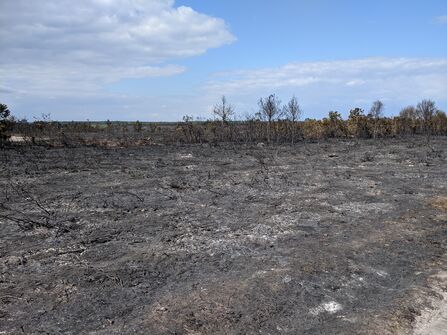
Sadly, we’ve seen the impact locally. On the Isle of Wight, a fire raged through nine hectares (22.2 acres), of nationally important heathland on National Trust land. In Hampshire, we experienced a fire at our nature reserve at Pamber Forest, where 1.5 hectares (3.70 acres) were burnt. And most recently, the New Forest wildfire spread over more than 160 hectares (395 acres) affected, equivalent to 224 football pitches. These are not isolated incidents, with wildfires reported across the country and throughout Europe. These incidents highlight how vulnerable our landscapes become during prolonged periods of heat and drought.

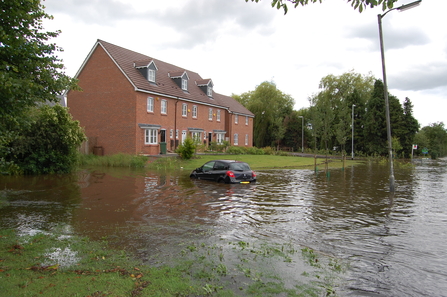
Flooding might seem an unlikely concern during a drought, but the two are closely connected. When prolonged heat dries out the ground, soils become hard and compacted. Instead of soaking into the landscape, heavy rain can run rapidly across the surface, flooding roads, homes and farmland while washing sediment, pollutants and nutrients into rivers.

That is why so much of our conservation work focuses on restoring natural processes. By creating wetlands, reconnecting rivers to their floodplains and improving soil health, we can help landscapes store water for longer and become more resilient to both drought and flooding.

Freshwater habitats and chalk streams under pressure

Another stark reminder of the scale of this drought is the impact on our freshwater habitats. Rivers, streams and ponds have in some places completely dried, while others have been reduced to a trickle.

Hampshire is home to some of the finest chalk streams in the world, including the Test, Itchen and Meon. Fed by groundwater stored within chalk aquifers, these globally rare rivers normally flow with cool, clear, mineral-rich water throughout the year.

When winter rainfall is low, the aquifer does not fully recharge. By summer, river levels fall, flows slow and some stretches can begin to dry.

At Court House Meadows on the River Meon, parts of the riverbed have dried out entirely, highlighting how vulnerable modified rivers can become during periods of drought. This is one of the reasons why the Trust is working to restore more natural river processes, helping rivers and floodplains become more resilient to extreme weather.

Low flows are one of the greatest threats facing chalk streams. When levels are low and the flow reduced, water warms more quickly, holds less oxygen and allows pollutants and nutrients to become more concentrated, triggering algal growth and placing pressure on the whole river.

Freshwater invertebrates such as mayflies, caddisflies, stoneflies and freshwater shrimp form the base of the food chain. When oxygen falls, temperatures rise and pollution becomes concentrated, these communities decline, affecting fish, birds and mammals above them.

Fish also suffer in these climatic extremes. Salmonids such as brown trout and Atlantic salmon rely on stable water temperatures. Both species will experience thermal stress in waters above 19.5°C, and temperatures above 25°C can be lethal. 

Atlantic salmon depend on water quality enough flow to migrate. In 2022, severe drought contributed to a catastrophic year for salmon on the River Itchen, with only around 100 fish recorded compared with a recent high of around 800 in 2018. It is too early to know what 2026 will mean, but low flows on the Test and Itchen are a serious concern.

Aquatic plants are affected too. Water crowfoot provides shelter, shade and oxygen for river wildlife, but it needs cold, fast-flowing water. When algae coat its leaves, the plant declines and the river loses structure and resilience.

A chalk stream entirely dried up showing the chalk bed exposed to the air

©Tom Hilder

Areas along the River Meon showing the chalk riverbed entirely exposed. 

The Meon has been heavily modified over the years and has lost much of its ability to withstand extreme weather conditions.

Wildlife’s survival

The impacts of drought extend far beyond shrinking rivers and dry ground.

When water and food become harder to find, wildlife must use more energy simply to survive. Prolonged heat and drought can reduce breeding success, affect the survival of young animals and leave populations vulnerable long after the rain returns.

Butterflies and moths can be particularly susceptible. Many species depend on specific plants to feed their caterpillars, and prolonged periods of heat can leave these foodplants scorched and unsuitable. 

One example is the chalkhill blue butterfly which relies solely on horseshoe vetch as its larval food plant. This plant has, for the most part, been scorched by the extreme heat, leaving little food for caterpillars to survive. 

For longer-lived species such as birds and mammals, the effects can be more gradual. Repeated years of extreme weather can reduce breeding success and slowly contribute to population declines over time.

What is the Trust doing?

We are working across the landscape to help nature adapt and are pushing for the bigger changes needed to protect our rivers.

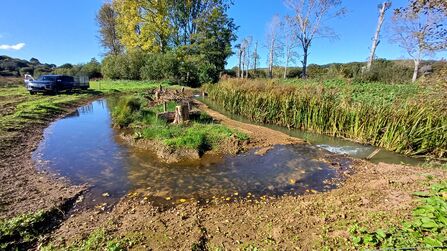
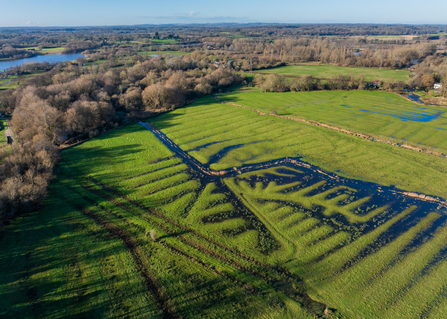
Through river restoration, wetland creation, floodplain reconnection and reserve management, we are helping our landscape become more resilient to drought, flooding and wildfire. Two recent examples of our work include the Eastern Yar River Restoration Project and Floodplain restoration in the Lower Test Valley.

We are also working alongside partners, communities and landowners to campaign and improve the health of our rivers and reduce pressures such as pollution and unsustainable abstraction.

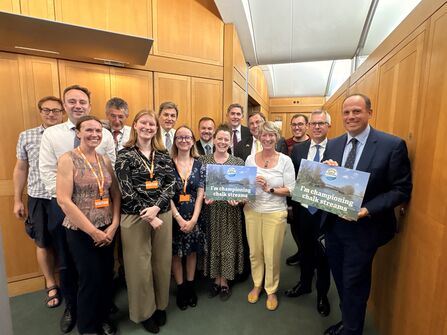
We continue to campaign for stronger protections for our globally rare chalk streams and for the action needed to secure a healthier future for wildlife and people. 

Pressures to our work

We make every effort to make sure our nature reserves and wider landscape are in the best ecological health possible, however extreme weather events do greatly reduce our ability to work across our estate.

There are also welfare considerations for staff and volunteers working outdoors in high temperatures. Machinery use is often reduced or restricted during extreme heat, slowing conservation work on some sites. Volunteering sessions and practical conservation activities may occasionally need to be postponed or cancelled.

At the same time, warmer weather often brings more visitors to our nature reserves, increasing pressure on sensitive habitats and raising the risk of fires caused by barbecues, litter or other human activity.

How you can help?

Drought can feel overwhelming, but using less water at home means less pressure on the aquifer, rivers and the wildlife that depend on them. 

  • Small changes, made by many people, can add up:
  • Turn off the tap while brushing your teeth.
  • Take shorter showers.
  • Fix leaking taps and toilets.
  • Run washing machines and dishwashers only when full.
  • Use a watering can instead of a hosepipe (prioritise plants that are providing pollen).
  • Collect rainwater for your garden when rain returns.
  • Leave dishes of water around the garden to help wildlife out.
  • Let your lawn go brown, it will usually recover.

Every litre saved helps leave more water for nature. You can also speak up for stronger protections by supporting the Save Our Chalk Streams campaign 

As climate change continues to reshape our landscape, helping nature become more resilient has never been more important. By restoring rivers, creating wetlands, protecting habitats and working together across the landscape, we can give wildlife the best possible chance of adapting to an increasingly uncertain future.