
Salmon’s long journey back to the River Itchen

Atlantic salmon have one of the most remarkable life cycles in the natural world. Born in the clean gravels of rivers like the River Itchen, these powerful fish travel thousands of miles across the Atlantic Ocean before returning, often years later, to the very same stretch of river where they began life.

For thousands of years this migration has been part of the natural rhythm of the Itchen. Each year young salmon head out to sea, growing to adulthood in the North Atlantic before navigating their way back to the chalk streams of southern England. Their return is one of nature’s most extraordinary journeys, guided by instinct and an ability to detect the unique chemical signature of their home river.

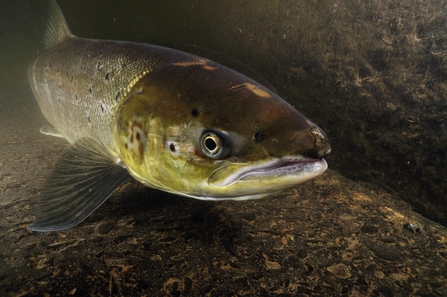
Atlantic salmon are among the most recognisable fish in British rivers. Adults returning from the sea are powerful, streamlined fish with silvery flanks, dark speckles along their backs and a forked tail built for endurance swimming. Some can grow over a metre long. During the spawning season their appearance changes as they adapt to freshwater, often darkening in colour while males can develop a distinctive hooked jaw.
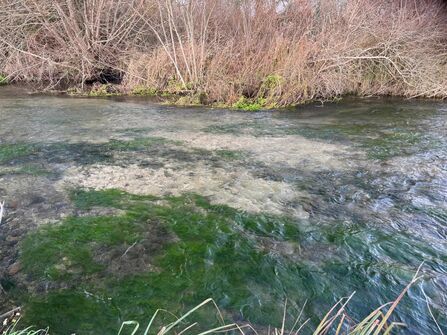
After returning from the ocean in winter, females dig shallow depressions in clean gravel known as redds, where they lay thousands of eggs. These remain buried in the gravel until they hatch in late spring, but the nests are fragile and easily damaged by disturbance in the river. Members of the public can help protect this vulnerable stage in the salmon’s life cycle by keeping to the riverbanks and staying out of the River Itchen.

Atlantic salmon are uniquely adapted to their home rivers. Chalk stream salmon populations are genetically distinct, shaped over thousands of years by the conditions of the rivers they return to. The River Itchen is one of only six chalk streams in England that still supports wild Atlantic salmon. 

However, their numbers have fallen dramatically. In 2022, just 133 adult salmon were recorded returning to spawn, and numbers remain critically low. This decline has prompted conservation organisations, including Hampshire & Isle of Wight Wildlife Trust, to launch the Itchen Salmon Delivery Plan, a coordinated effort to restore habitats, improve water quality and remove barriers to migration.

For more information about this iconic species, click here.