Wilder Bramley: A Village Rewilded by Community Spirit

Wilder Bramley: A Village Rewilded by Community Spirit

A case study on the Wilder Bramley Community Group

Introduction

Nestled between the Loddon Valley and the ancient heathlands of Silchester, the village of Bramley, Hampshire, might seem like a quiet rural community of 4,000. Yet, in just a few years, this small village has become a shining example of what happens when local people come together with a shared purpose — to restore nature, connect neighbours, and build hope for a wilder future.

This is the story of Wilder Bramley, a grassroots community group that turned passion into purpose and transformed their local landscape into a thriving haven for wildlife and people alike. 

The Spark That Started It All

It began with a chance encounter in January 2022.
A handful of residents met at a hedgerow planting event in nearby Dummer and discovered a shared passion for nature. They wanted to bring that same energy home to Bramley — to inspire others and take meaningful action for wildlife.

By February, the first meeting was held. Their original name, “Bramley Nature and Sustainability Group”, didn’t quite capture the excitement of their mission. When they were selected to join Basingstoke & Deane Borough Council’s “Wilder”, they rebranded as Wilder Bramley — and a movement was born.

“We realised how powerful it was when local people lead local change,” says Claire Levée, Community Lead.
“We didn’t wait for permission — we just started.”

Building a Framework for Action

In 2023, Wilder Bramley formalised its structure as an unincorporated community group with a simple constitution. With advice from the Hampshire & Isle of Wight Wildlife Trust, they opened a bank account, secured insurance, and created a small but dynamic committee of seven.

Funding came the grassroots way: from walks, talks, memberships, and small grants via the Parish Council. This independence allowed the group to stay true to its purpose — empowering residents to act for nature.
From Scrubland to Showcase: The Bee Garden

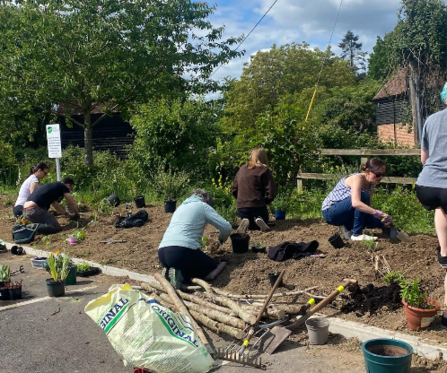
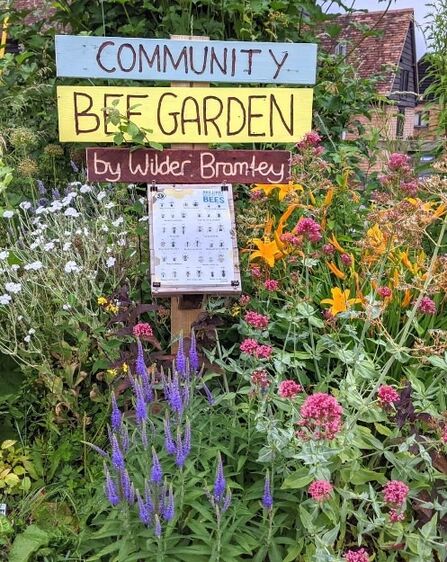
Their first major project was the Community Bee Garden at Clift Meadow — a neglected patch of scrubby ground transformed by volunteers and over 300 donated plants.

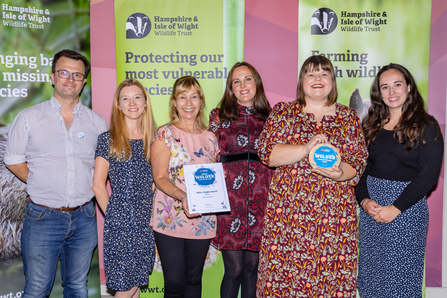
Work parties turned into social gatherings, children built a bug hotel, and soon the garden buzzed with life — and pride. The project won two RHS awards and became the beating heart of the group’s community outreach.

“It’s so incredibly life affirming, seeing that glorious garden!”
— Local resident

Growing Wilder Together

From that first success, Wilder Bramley expanded rapidly:

  • Mini Meadows & Churchyard Restoration at St James Church
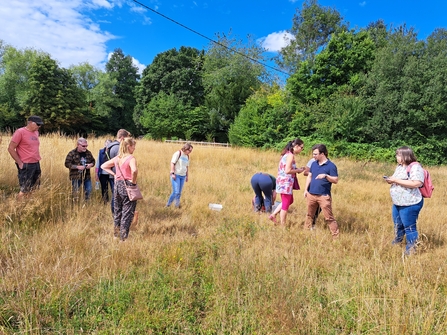
  • Bramley Green Grasslands Project restoring meadows and surveying butterflies and wildflowers
  • River Loddon Water Testing, monitoring one of the world’s rare chalk streams
  • Bullsdown Green Partnership, managing public land for nature
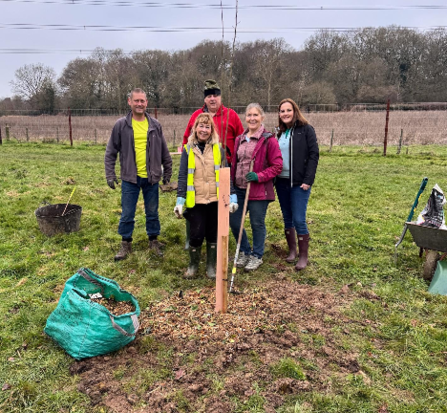
  • Disease-Resistant Elm Planting, reconnecting Bramley’s landscape with lost native trees

Each project followed the same ethos — community involvement, science-based action, and celebration of small wins.

Empowering a Wilder Community

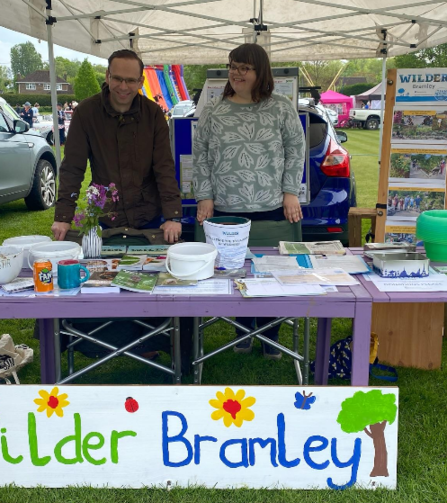
Beyond conservation, Wilder Bramley has become a hub for education and connection. The group hosts talks, nature walks, training sessions, and even “moth nights.” Their social media community now exceeds 600 members, and their regular features in the Bramley Magazine keep residents informed and inspired.

Through partnerships with HIWWT, South East Rivers Trust, and local councils, they’ve also helped influence Biodiversity Policies and a Parish Biodiversity Action Plan, ensuring nature has a voice in local decision-making.

“We’ve learned it’s not just about wildflowers and bees — it’s about people, conversations, and community,” says Chair Matthieu Levée.

Recognition and Impact

In just three years, Wilder Bramley has been recognised with multiple awards, including:

  • Wilder Basingstoke Award (2023)
  • Two RHS “Thrive” Awards (2023 & 2024)

These honours reflect not only ecological success but a model of sustainable, community-led change.

Lessons from the Journey

Wilder Bramley’s experience offers valuable insights for other grassroots groups:

  • Start small, but start. One project can inspire a movement.
  • Prioritise joy and connection. Fun keeps volunteers coming back.
  • Build your ecosystem. Collaborate with councils, schools, and residents.
  • Empower, don’t just inform. Give people ways to take action.
  • Think long term. Every meadow, bee, and volunteer is part of a bigger picture.

Looking Ahead

The group’s next ambitions include:

  • Expanding the Grasslands Meadow Trail
  • Creating new pond networks and wildlife corridors
  • Developing training programmes for ecological and community skills
  • Ultimately, establishing Bramley’s first local nature reserve

“Our dream is that one day, nature will connect every corner of Bramley,” says Claire.
“And everyone who lives here will have played a part.”

Conclusion

Wilder Bramley proves that you don’t need vast resources or formal power to make a difference — just a few passionate people and the will to act. Their journey is an inspiring reminder that when a community chooses to work with nature, it not only restores the land — it renews the spirit of the place itself.

Learn more: www.wilderbramley.org