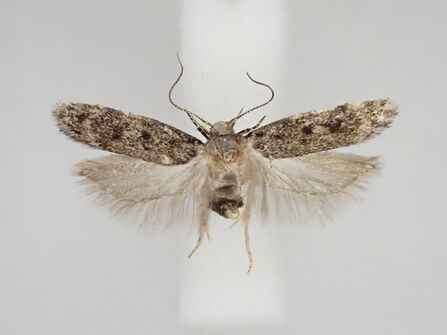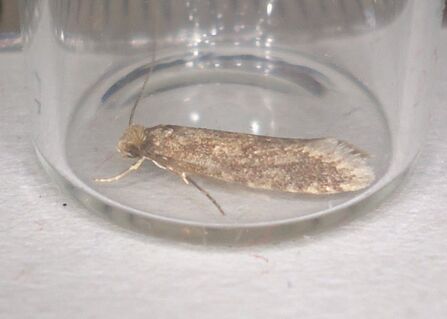
These remarkable discoveries were made during the 2025 moth recording season by volunteers working with Hampshire & Isle of Wight Wildlife Trust.
Moth trapping sessions at the ancient woodland reserve recorded at least 20 new species for the site, with several more still awaiting identification. One session in early July alone recorded a massive 305 species, highlighting the incredible diversity that Pamber supports.
The reserve’s mix of ancient trees, bracken-rich glades, and woodland rides provides a mosaic of habitats that supports many nationally scarce species and provides ideal conditions for a wide range of moths and other invertebrates.
The reasons for these discoveries are varied. Graham Dennis, Reserves Officer (Pamber) at Hampshire & Isle of Wight Wildlife Trust, said: "Many of these new arrivals are spreading from southern areas due to climate change, while others are accidental introductions finding suitable habitats in Britain.
“A few species have probably been here all along but are extremely elusive. The concentrated survey effort this year made it possible to document them for the first time in Hampshire."
Gelechia scotinella is a small, dark chocolate-brown moth with tiny silvery spots along its forewings that catch the light. This species was previously known from only three other counties in Britain and is considered nationally scarce. Its larvae feed on blackthorn shrubs found along woodland rides and edges. Gelechia scotinella is a proposed Red Data Book species (pRDB), highlighting its conservation significance.
The second new county record, Haplotinea insectella, has pale yellowish-brown forewings with a subtle dusting of darker scales that shimmer in light. Its larvae feed on fungi growing on tree trunks, making Pamber’s old timber-rich habitats especially suitable. The moth is also a proposed pRDB, underscoring the exceptional importance of Pamber’s ancient woodland.
All species recorded are micro-moths, often overlooked because of their small size and difficulty of identification.
Graham adds: "Some species were single individuals, while others, like Acleris umbrana, were seen on multiple nights. We won’t know for certain whether some of the rarer species will be found again, which makes every sighting exciting.”
The discoveries were made possible thanks to the dedication of Pamber’s volunteers, or “moth-ers,” who help set up light traps powered by generators or batteries, apply attractant sugar solutions to tree trunks, and hand-net moths and larvae for identification. Volunteers also carry out practical habitat management, maintaining rides, glades, and veteran trees, which ensures the reserve continues to support such a rich diversity of wildlife.
Graham adds: "Our volunteers make a real difference every day. Whether recording moths or helping with practical conservation work, their contributions protect this special site and help us uncover Hampshire’s hidden biodiversity. Anyone interested in nature, from beginners to experienced naturalists, is welcome to join."
These first-ever Hampshire records highlight the exceptional wildlife value of Pamber Forest and demonstrate how focused conservation efforts can help nature not only survive but thrive. Through the Wilder 2023 strategy and its Thriving Nature priority, the Trust is restoring and safeguarding habitats, helping wildlife not just to survive but to flourish.
Hampshire & Isle of Wight Wildlife Trust is now inviting more volunteers to get involved at Pamber Forest. From moth recording to practical habitat management, volunteers help safeguard ancient woodland, maintain diverse habitats, and play a real part in nature’s recovery across the region. Find out more information here.