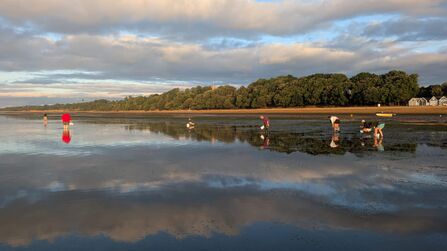
During 2025, the Trust planted more than 58,000 seagrass seeds along the Hampshire and Isle of Wight coastline. Once established, the seeds will grow into healthy seagrass plants and expand the existing habitats at Calshot and Seaview - helping restore one of the UK’s rarest marine environments.
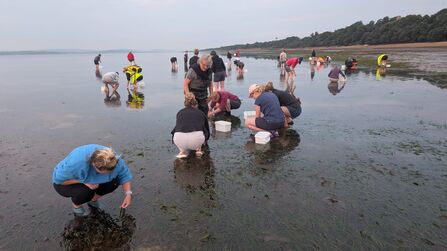
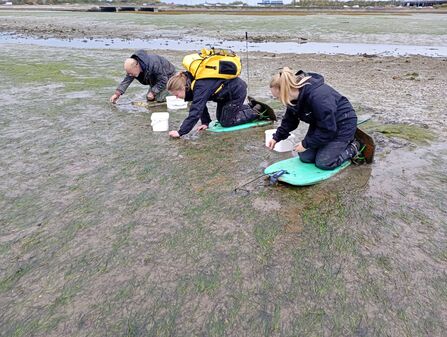
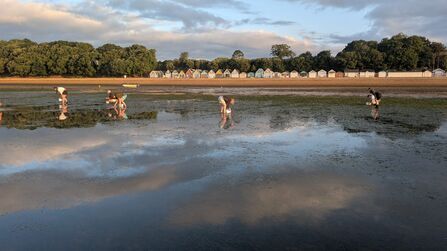
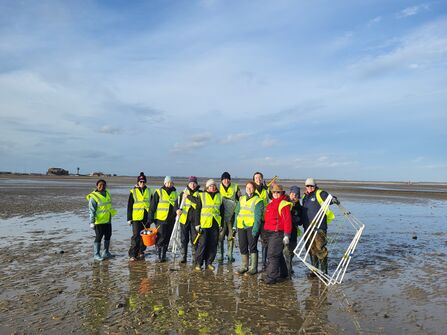
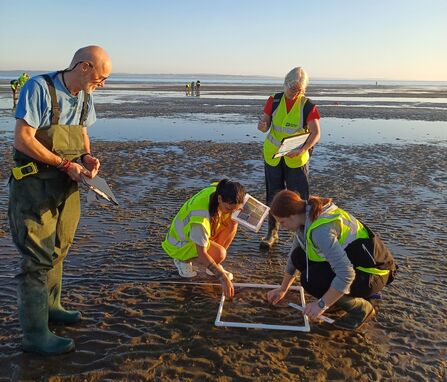
This achievement was matched by an unprecedented year of volunteer effort. More than 180 local volunteers contributed over 1,000 hours across 41 field sessions and multiple laboratory sessions — more than tripling last year’s effort. Thanks to this work, over 180,000 Zostera marina seagrass seeds have also been collected, sorted, and safely stored ready for planting in spring 2026.
Seagrass meadows in the Solent were once widespread but have declined dramatically over the past century due to pollution, dredging, coastal development, and disease. Up to 90% of the UK’s seagrass has been lost, making restoration work in the Solent of national importance. Seagrass is vitally important: it supports marine wildlife, improves water quality, stores carbon, and help protect coastlines from erosion.
Ellie Parker, Marine Officer (Solent Seagrass Project) at Hampshire & Isle of Wight Wildlife Trust: “Bringing this rare habitat back to the Solent is incredibly special, especially because it’s being driven by local people from Hampshire and the Isle of Wight. Collecting and planting seagrass takes real dedication — working around tides, early and late starts at low tide, and long days sorting seed back in the lab.
“I’m so grateful to all our volunteers whose time, energy, and commitment make this work possible. Seeing these meadows begin to grow gives me so much hope, and I’m really excited to plant even more seeds next spring."
Seagrass is a flowering underwater plant that forms lush green meadows. It supports a wide variety of species such as sea anemones, stalked jellyfish, sea slugs, pipefish, cuttlefish and thornback rays. It also acts as nurseries for commercially important fish species, such as cod and sea bass, the latter of which spend up to seven years growing in the Solent before joining the migratory adult population.
Early signs of recovery are already visible: seagrass planted by the Trust in the River Hamble — where the habitat had been lost since the 1920s — has taken root and begun producing flowers, marking the first confirmed seagrass growth in the river in almost a century.
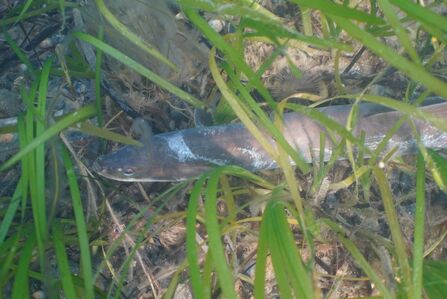
Ellie adds: "Many people don’t realise that this wonderful underwater habitat exists right here in the Solent and provides a home for so many amazing species. We recently spotted a European eel within a seagrass meadow at Seaview. This critically endangered species has declined dramatically in recent decades, highlighting the vital role these habitats play in supporting marine life and why this work is so important for the Solent.
“It is fantastic to see how each meadow contributes to healthier seas, richer biodiversity, and a stronger, more resilient coastline. Being part of that, and doing it alongside our incredible local volunteers, makes every early morning and late evening tide completely worthwhile."
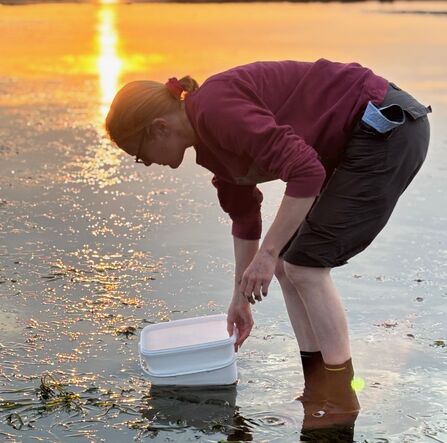
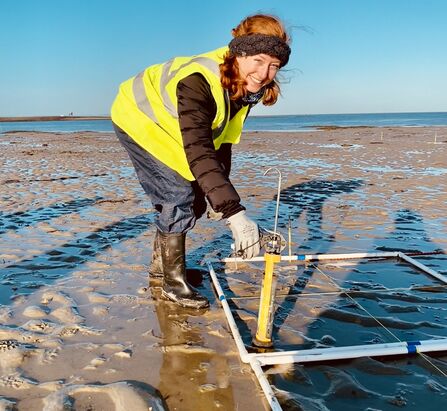
Once seeds are collected at low tide, they are stored in seawater tanks for two-three months and then carefully sorted and prepared at the Institute of Marine Science, University of Portsmouth. Volunteers remove debris and select only fully mature seeds. The seeds are then stored over winter under careful monitoring, ensuring they remain healthy and ready for planting in spring — a long process that requires attention, patience, and dedication at every stage. To plant the seeds, the Trust uses Dispenser Injection Seeding, an innovative technique which give seeds the best possible chance to survive.
Hampshire and Isle of Wight Wildlife Trust has been restoring seagrass in the Solent since 2021. Sites include Langstone Harbour, Calshot and Seaview on the Isle of Wight. Each presents unique challenges, from tidal variations to differing seabed conditions, making careful planning essential.
This work has been made possible thanks to the generous support of the Solent Seagrass Restoration Project and Solent Seascape Project, of which Hampshire and Isle of Wight Wildlife Trust is a partner. Together, these projects help restore this marine habitat and support local wildlife across the Solent.
With continued support from volunteers and partners, the Trust is working to secure a wilder, more resilient future for the Solent’s marine habitats