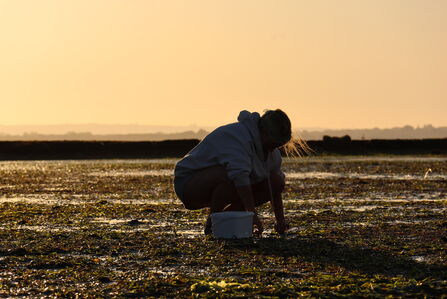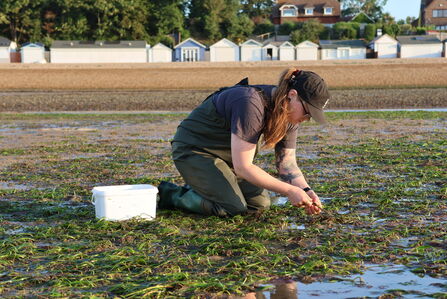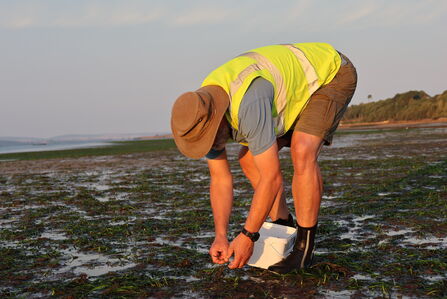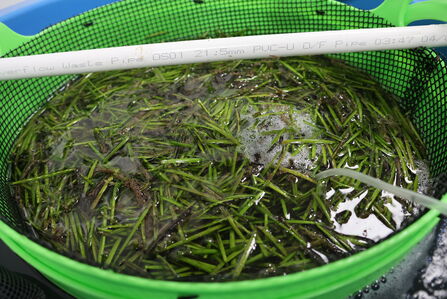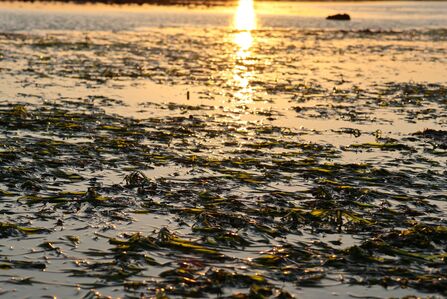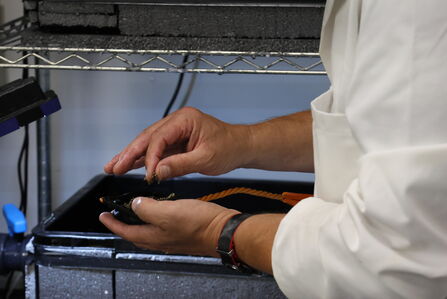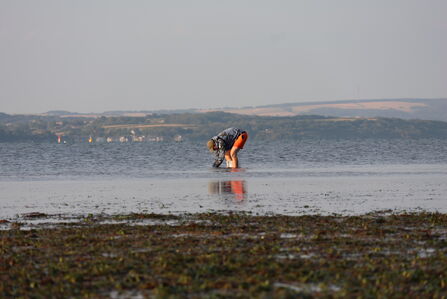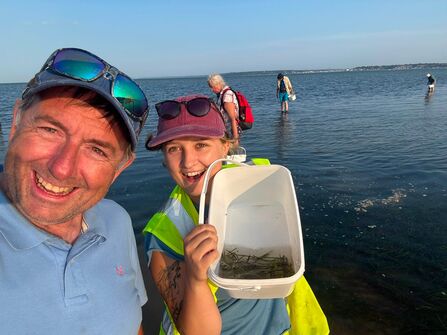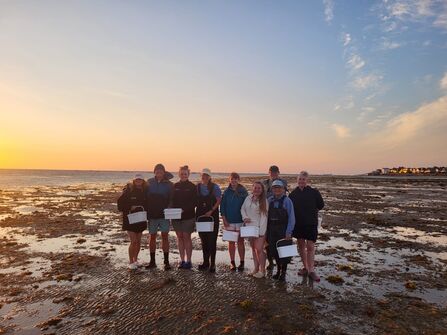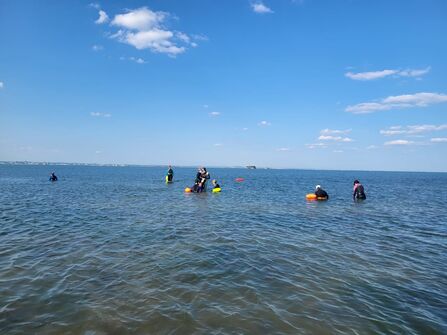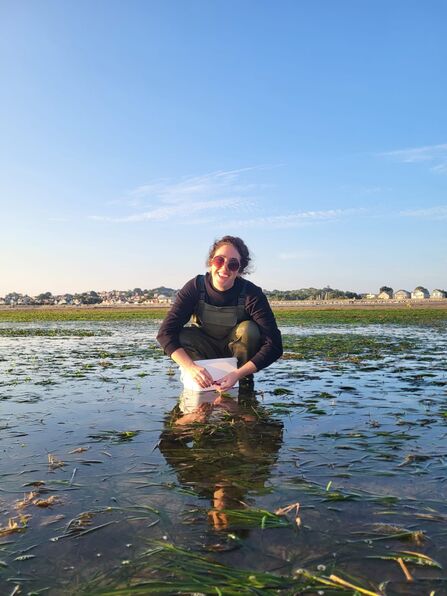
The seeds were gathered from seagrass meadows during a series of low-tide collection sessions at Calshot in Hampshire and Seaview on the Isle of Wight, where volunteers waded and snorkelled through shallow waters to carefully collect mature seed from flowering shoots bearing flowering heads called spathes.
The collection forms the next stage of the Trust's long-term seagrass restoration programme, which has been working to bring this lost habitat back to the Solent since 2021.
Seagrass meadows in the Solent were once widespread but have declined dramatically over the past century due to disease, pollution, dredging and coastal development. Up to 90% of the UK’s seagrass has been lost, making restoration work in the Solent of national importance. Seagrass is vitally important: it supports marine wildlife, improves water quality, stores carbon, and helps protect coastlines from erosion
Dr Tim Ferrero, Senior Specialist at Hampshire & Isle of Wight Wildlife Trust, said "Seagrass seed collection is a little like an underwater harvest. Seagrasses are the only fully marine flowering plants and, like plants on land, they flower, pollinate and set seed, but all underwater. We collect only the mature seed-bearing spathes and then use those seeds to help restore seagrass meadows in the Solent.
"This year's collection has been a fantastic success and simply wouldn't have been possible without our volunteers. Whether they're out in the water collecting seed before dawn or helping us process it later in the year, they are at the heart of this work
"When we look out across the Solent today, we're looking at a marine environment that is missing one of its most important habitats. About 100 years ago, we lost around 90 per cent of our seagrass meadows, and since then recovery has been held back by pollution and other human pressures.
"Every seed we collect is another opportunity to bring seagrass back and support wildlife, cleaner water and healthier seas. Healthy seagrass meadows support an incredible variety of marine life. During this year's collections we've seen lots of marine life sheltering among the seagrass including cuttlefish eggs and baby cuttlefish to hermit crabs, highlighting just how important these underwater habitats are."