
Common blue (male) © Tom Hibbert
Local elections 2026
Local Elections 2026: The future is up to you
Chalk cliffs, ancient woodlands and glistening chalk streams. The flight of a once-extinct bird of prey across lagoons and reed beds. The glimpse of a red squirrel darting through forest. Wildlife across Hampshire and the Isle of Wight is as beautiful as it is unique. Nature underpins everything: our health, our wellbeing, our economy and the resilience of our community.
But it’s fragile too, and we can’t take it for granted. We’ve lost so much nature, protecting what’s left isn’t enough. We need to rewild and restore our wild spaces – and we need your help. We can sit by and let nature collapse, or we can vote for a wild future where nature thrives.
On Thursday 7th May 2026, local elections give you the opportunity to vote for a future where nature has room to thrive again. If enough of us make the right choices about who our local leaders should be, nature has the power to bounce back faster than we imagine.
Your councillors (the people you are voting for) have the power to help local people and enable nature’s recovery. They make many decisions that impact your community and wildlife locally, including, having a say in what will be built and where, tackling water pollution, improving access to green spaces and they will play a key role in implementing Local Nature Recovery Strategies.
Want to help us get nature on the agenda? Take action by using our email template below to contact your councillor candidates!
How councillors and candidates can put nature first
We are calling on current and future councillors to take nature's recovery seriously. If elected, we are asking all current councillors and prospective councillors to:
1. Plan for nature's recovery
With 2030 fast approaching, we need councils to set ambitious targets for nature’s recovery locally and create an action plan to make that happen.
As part of this, we need councils to embed the Local Nature Recovery Strategies into their plans and wider strategies, to ensure nature is considered in all decisions.
2. Ensure development is good for people and for nature
Councils decide what gets built where, as well as determining how it gets built to minimise the environmental impact. There are many policies that councils can put in their local plan to create more nature-friendly developments; we are urging all councils to go beyond the minimum 10% Biodiversity Net Gain and instead require all developments to deliver at least 20% net gain and strategically direct improvements to where nature and people need it the most. We also want to see councils embed the Local Nature Recovery Strategies into their Local Plans to ensure nature is prioritised from the start.
3. Take local action to improve the state of our rivers
Our rivers are failing ecological standards due to sewage and agricultural pollution, as well as over-abstraction. Earlier this year, we supported more than 5,400 people to call on the Government to protect chalk streams in their planning reforms as part of the Save Our Chalk Stream campaign. However, to fully address this crisis, we need system level change across all sectors and authorities.
Councils can support our rivers by putting in place strong policies in the Local Plans to protect our rivers, for example by embedding the recommendations of the Chalk Stream Strategy, and ensuring there are adequate buffers between developments and rivers, or strategically direct funding from Biodiversity Net Gain into the restoration of rivers and wetlands. They can also place pressure on water companies to stop damaging practices.
The Trust is also calling on councils to adopt River Rights. This growing movement aims to reshape how we view and value rivers, recognising them not merely as resources, but as living systems. Our campaign advocates for stronger protections by encouraging councils to recognise their fundamental rights, including the right to flow freely, to be free from pollution and to be actively restored.
4. Invest in nature-based solutions
Commit to tackling the climate and nature emergencies together and investing in nature-based solutions to climate change. The climate emergency is only hastening the destruction of the natural environment, damaging habitats and disrupting ecosystems. Yet it is these very habitats that have the potential to lock up carbon and fight back against rising global temperatures. These habitats also provide many other benefits for us, including cleaning our air and water, preventing flooding and cooling our towns and cities. It is essential that we not only protect these spaces, but let them thrive – for the benefit of people, planet and nature.
5. Support Team Wilder and empower communities to take action
We need councils across the two counties to empower communities to take action for nature. In particular, we want councils to support Team Wilder, a growing movement of people driving local efforts for nature's recovery. Team Wilder encourages people to focus on the issues that matter to them and puts power in the hands of the local community - we want to see this approach embedded across all councils.
6. Champion nature in Local Government Reorganisation
Local government reorganisation presents a rare opportunity to reshape how decisions are made in our communities. As new structures are formed and priorities are set, we need councillors who understand the value of green spaces, biodiversity and a thriving natural environment. These are not ‘nice-to-haves’, they are essential to our wellbeing, resilience and local economies.
We want to see a nature-positive approach embedded across all new unitary authorities. Councillors elected now will be at the forefront of shaping these new authorities. That is why it is vital to have councillors with a bold and ambitious vision for nature’s recovery, who will champion nature and stand up for wildlife.
What you can do
This is your opportunity to demand that nature's recovery is a priority for your council.
The top thing you can do is to vote for a candidate that you think will best represent your interests and nature. However, figuring that out can sometimes be a bit tricky! But don't give up hope, by letting your councillor candidates know that nature matters to you, it will send a signal to them that this is something they should be taking action on - or maybe they already are! See our email template below to contact your candidates about nature in your local area.
Register to vote! Make sure you’re registered to vote by 20th of April to have your say in local elections. You can register here: Register to vote - GOV.UK
IMPORTANT NOTE!
Voters are required to present photo ID to vote at a polling station, under the Elections Act 2022. However, you do not need an ID to vote via post. Find a list of accepted voter ID here. If you don’t have an accepted form of ID you can apply for a free voter authority certificate here.
Write to your candidates now!
Dear [INSERT CANDIDATE NAME HERE],
As you are a candidate in the upcoming local elections, I am writing to you today to ask how you plan to support nature’s recovery in our local area if elected as a councillor.
I want to see nature thrive in our local area. Our county is renowned for our world-famous chalk streams, National Parks and coastal habitats. We are incredibly lucky to have these natural wonders on our doorstep and must do more to support these extraordinary habitats.
With good leadership, our local area could become a place where wildflowers line our streets, where pollinators thrive in restored meadows, where chalk streams run clean and where children grow up with a strong connection to the natural world around them. When nature thrives, communities flourish. Nature underpins everything: our health, our wellbeing, our economy and the resilience of our community.
If elected, you will play a vital role in shaping our new unitary authorities, restoring nature and tackling the climate crisis. You have a unique opportunity to champion our natural environment at this critical moment in local government reorganisation.
As a local resident, I am clear that these are key issues when considering who to vote for in the upcoming elections. I need to know if you are prepared to champion nature now – and in the future. Therefore, I am writing to ask what are your plans to put nature into recovery in our local community?
In particular, I would like to see you commit to:
- Champion an ambitious and bold vision for the enhancement of nature in our local area, and ensure that nature is at the forefront in shaping new unitary authorities
- Scrutinise planning applications and strategic plans to ensure the Local Nature Recovery Strategy is embedded in decision-making
- Take local action to improve the state of our rivers and chalk streams through planning decisions, holding water companies to account and supporting restoration projects
- Scaling up investment in nature-based solutions locally to boost resilience in our community and employment opportunities within the environmental sector
- Supporting communities to take action to create a Wilder future
If elected, you have the opportunity to shape a local area where nature has room to thrive again. If you make the right choices, nature has the power to bounce back faster than we imagine in our community.
Yours Sincerely,
[INSERT YOUR NAME HERE] [INSERT ADDRESS AND POSTCODE]
How do I find out who is standing to be my councillor?
To find out what elections are happening near you and find a candidate list, you can use the Democracy Club's online tool and type in your postcode: https://whocanivotefor.co.uk/
The official full candidate lists will also be published on your District, City or County Council's website from the 9th April 2026.
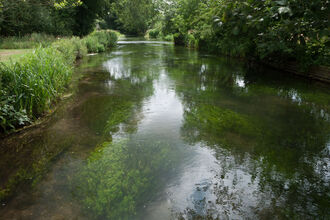
Planning and Chalk Streams
Planning can play a crucial role in protecting and improving our chalk streams. Steve Lees, an experienced independent planning…
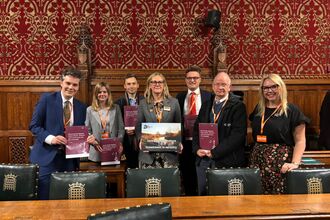
Don’t turn a nature crisis into a catastrophe
The Nuclear Regulatory Review is built on a flawed diagnosis. And when a problem is misdiagnosed, the wrong cure is prescribed.
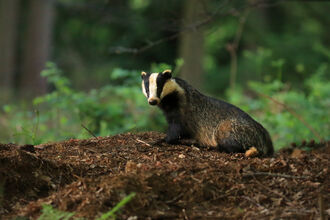
Wildlife faces its last stand
The Government’s Planning and Infrastructure Bill is being billed as a way to unlock growth while restoring nature. But beneath that…


