Winter Treats for Ducks

Winter Treats for Ducks

Danny green 2020 vision HEADER ducks in snow

With the UK in the middle of a cold spell, many people feel an extra urge to head out to parks and ponds to give ducks a helping hand. If you are planning to do the same, then by choosing the right foods, you can help our local wildlife stay healthy through winter.

With the UK in the middle of a cold spell, many people feel an extra urge to head out to parks and ponds to give ducks a helping hand. If you are planning to do the same, then by choosing the right foods, you can help our local wildlife stay healthy through winter.

So, what can you do to help? 

  • Choose foods that are nutritious rather than filling
  • Offer only small amounts so ponds don’t become polluted with leftovers
  • Help ducks keep their natural foraging habits

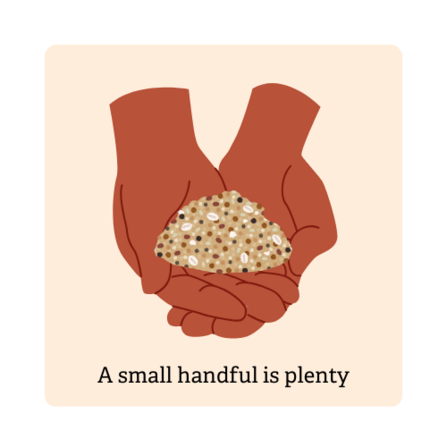
Suitable foods are inexpensive and easy to find, often already in your kitchen. Take a look at the list below and remember, a small handful at one time is plenty! Why not make your own duck food by mixing your favourite ingredients from the list?

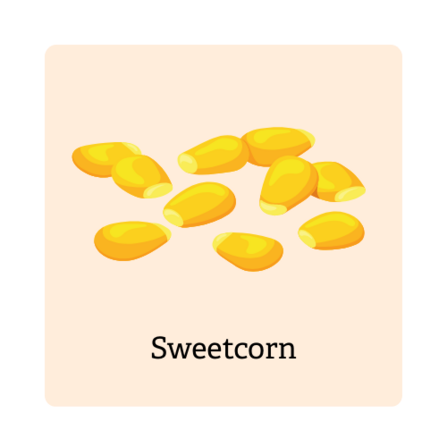
  • Sweetcorn
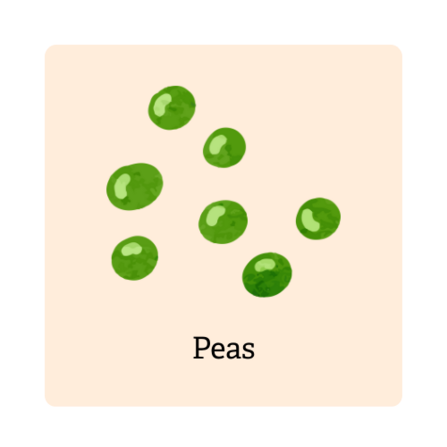
  • Peas
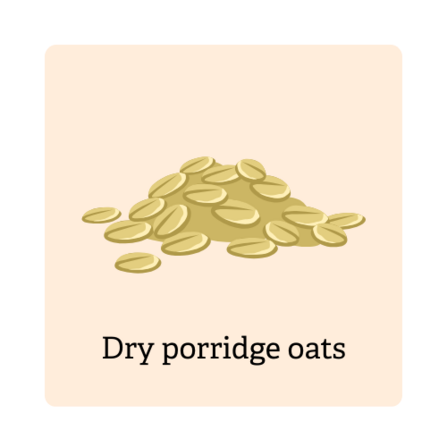
  • Oats (dry porridge oats)
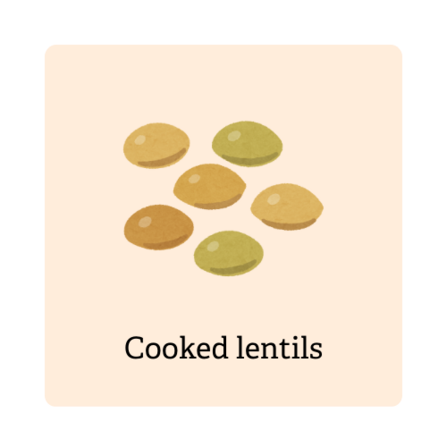
  • Lentils (cooked for easy digestion)
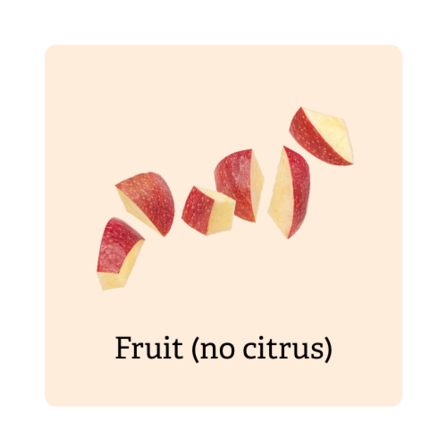
  • Fruits and berries (no citrus)
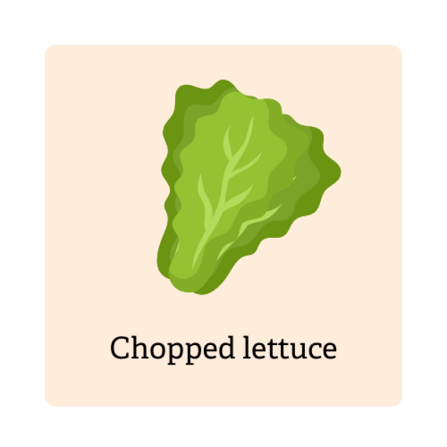
  • Lettuce
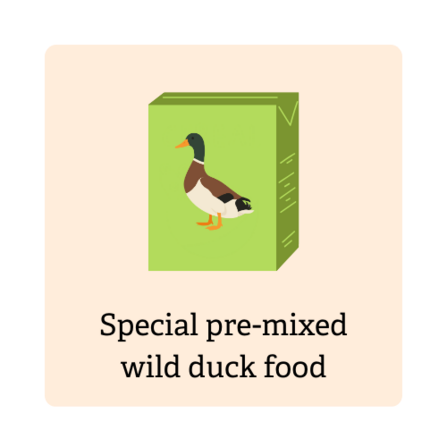
  • Special pre-mixed wild duck food
What to avoid 

  • Bread (white, brown, even seeded isn’t good for them)
  • Biscuits
  • Crackers
  • Anything in large quantities.

Why not bread?

Feeding ducks is a fun activity but sadly bread is one of the most common ways we can unintentionally harm them. Why? Bread fills ducks up quickly but offers almost no nutritional value. It’s mostly carbohydrates and lacks the proteins, fats, fibre, vitamins and minerals that ducks need. When their bellies are full of bread, they stop foraging for healthier foods. Over time this can make them sick and may even cause deformities. 

What do ducks eat in the wild? 

Wild ducks are omnivores, eating both plants and animals. To stay healthy, they need a varied diet, including: 

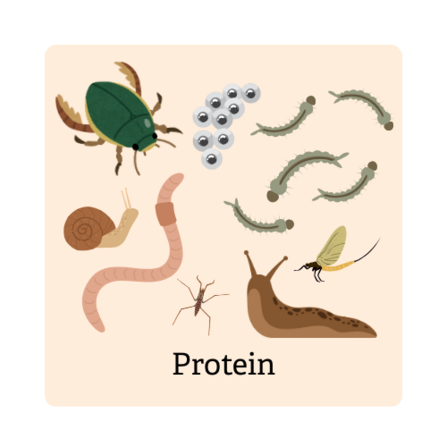
Proteins & fats 
Insects, nuts, slugs, amphibians and small fish support muscle growth, paddling and flying, and help keep ducks warm in winter. 

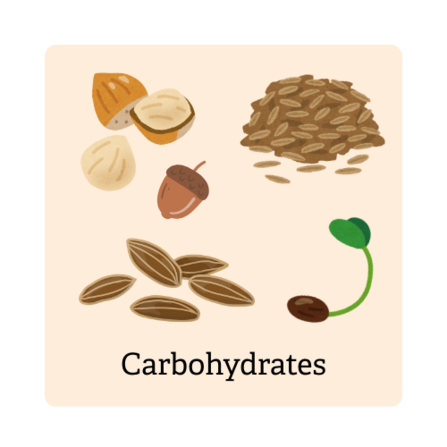
Carbohydrates 
Seeds and grains provide quick energy and fibre for healthy digestion. 

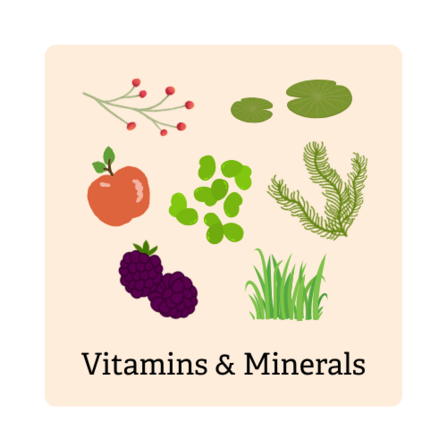
Vitamins & minerals 
Green plants and snail shells supply important nutrients such as calcium for strong eggs. 

Ducks aren’t fussy and will naturally forage across habitats and seasons.

What happens to food ducks don’t eat? 

Leftover bread and other scraps cause real problems: 

  • In water, rotting food uses up oxygen and encourages algae and bacteria, turning water cloudy, green and smelly
  • On land, leftovers attract rats, mice, pigeons and seagulls
  • Mouldy bread can be toxic to birds
  • Crowding leads to stress and disease spread
  • Ducks may become dependent on handouts instead of foraging 

Following these simple tips will help our wildlife and their chalk stream homes to thrive throughout the seasons. 

If you’d like to learn more about how people are helping their chalk stream wildlife, you can read the amazing story of Amy's Duck Food Table, in which a father-daughter duo launch a hugely popular project in the Hampshire town of Alresford.


Read about Amy's duck food table

Learn more about the Watercress and Winterbournes Scheme