The ghost of the fields

Look out for barn owls across Hampshire this winter.

If you’ve ever caught a glimpse of a pale, silent shape drifting over a Hampshire meadow at dusk, you may have been lucky enough to witness one of the region’s most captivating residents: the barn owl.

Barn owls are perfectly engineered for life as nocturnal hunters. Their feathers are soft and velvety, specially adapted to silence the sound of their wingbeats. This allows them to float through the air almost noiselessly as they quarter the fields in search of prey. Their hearing is so acute they can pinpoint a mouse rustling beneath vegetation in complete darkness, guided by the asymmetric placement of their ears and their iconic facial disk, which funnels sound like a satellite dish
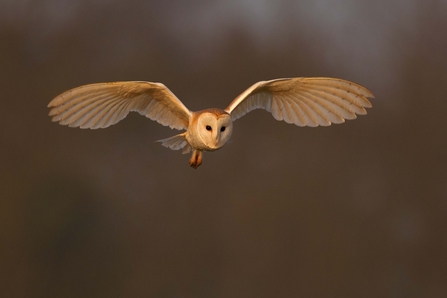
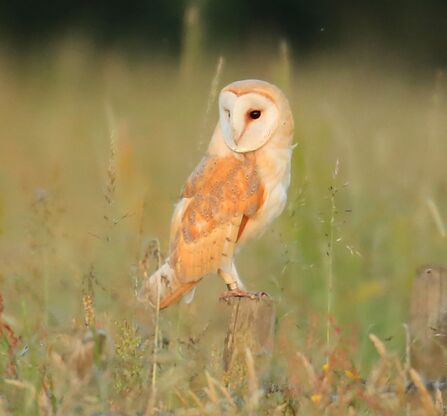
Across Hampshire’s farmland, river valleys and downland edges, barn owls favour a mosaic of rough grassland where field voles, shrews and mice live. A single pair can consume thousands of small mammals each year, making them one of nature’s most effective forms of pest control. They nest in tree cavities, old barns and quiet outbuildings - hence their name - and will often return to the same nesting site year after year. When conditions are good, they may raise two broods in a single season.

With their heart-shaped faces, ink-black eyes and ghost-white plumage, barn owls possess an almost supernatural beauty - one that has long inspired folklore across the countryside. 

Throughout history, barn owls have been known by many different nicknames, such as 'ghost owl', 'church owl' and 'screech owl'. But the name 'demon owl', in particular, illustrates how they were considered by some rural populations - something not so difficult to understand when you hear their piercing shrieks and hissing calls.

But despite their resilience, barn owls face mounting pressures. They have been impacted by loss of rough grass habitat where they hunt their prey, nesting sites, organochlorine pesticides such as DDT in the 1950s and 1960s and road collisions. 

Our nature reserves offer great opportunities to observe barn owls in their natural habitat. Hockley Meadows is a known hotspot for these beautiful birds, where visitors can watch them glide over the meadows and hunt in the early morning or late afternoon. Farlington Marshes is a must-visit for birdwatchers, with the reserve attracting not just barn owls but short-eared owls too.