
Speaking to the CBI this week, First Secretary of State Louise Haigh announced a review of the functions of a number of arm’s-length bodies, including Natural England and the Environment Agency, asking what should be “devolved, dissolved or delivered by government departments.” She also argued that decisions that are intrinsic to the fabric of a place should increasingly be made in those places, rather than in Whitehall.
Whilst Minister Haigh did not use the exact words “abolish Natural England”, we know there is an ongoing powerful deregulation lobby working behind the scenes to push for that outcome, promoted by a headline in the Times on the day of the speech. This is being strengthened by calls from both the Conservatives and Reform to abolish the nature regulator.
The argument is depressingly familiar: environmental regulation is getting in the way of growth, and if only we removed some of those pesky protections, Britain could get building again.
We know that this is an entirely false narrative, being pushed again and again by those who want to remove regulations. We cannot let this narrative infect this Government’s decision making and so we must make a stand.
So what does Natural England actually do?
Natural England protects some of the most important places for wildlife in the country. It is the primary legal custodian of England's Protected Sites Network, the 8% of English land with the strongest protections for nature. It has helped create 226 National Nature Reserves and its Species Recovery Programme has helped prevent at least 35 species from disappearing from England, including bitterns and hazel dormice.
Natural England works with farmers to promote nature friendly farming to restore the health of our landscapes, soils and water. And crucially, NE provides expert advice on development so that we can build the homes and infrastructure we need without destroying the natural systems we all depend upon. When a development could damage a protected wildlife site, someone needs to understand the science, assess the consequences and make sure the law is followed. Without that independent voice, nature doesn't magically become less important. It simply becomes easier to ignore.
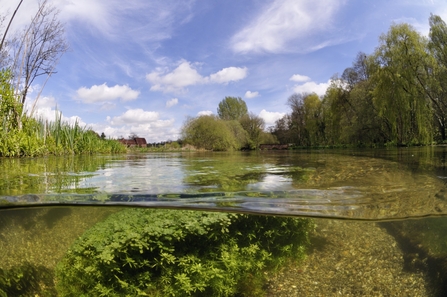
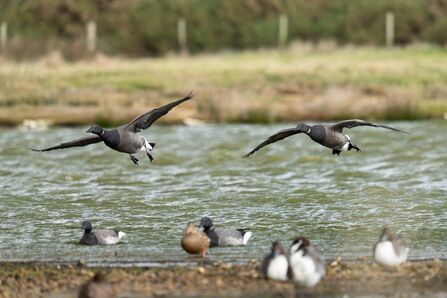
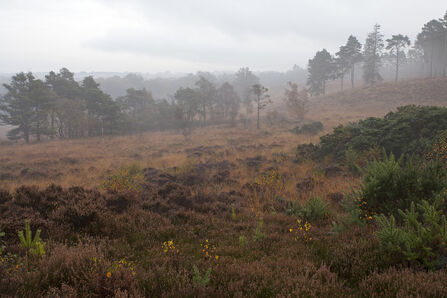
Here in Hampshire and the Isle of Wight, that role really matters. We live in one of the most nature-rich parts of England, from the New Forest and our internationally important chalk streams to the Solent’s wetlands, harbours and coast and the extraordinary landscapes of the Isle of Wight. These places face enormous pressures from development, pollution, water demand and climate change. They need a strong independent regulator prepared to stand up for them.