Restoring Hampshire’s Historic Water Meadow Structures

Restoring Hampshire’s Historic Water Meadow Structures

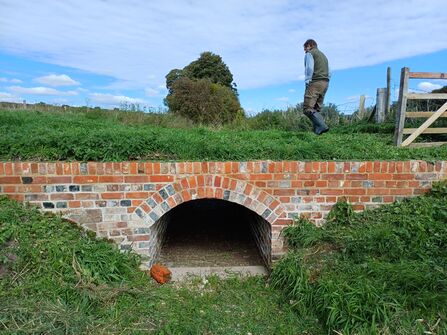
Cart Bridge finished Sept 25 01 ©Kathryn Boler

This summer, Watercress and Winterbournes restored two important water meadow structures on the Candover Brook in Totford. Read about the historical significance and the careful restoration process required for these structures.

For centuries, Hampshire’s chalk streams have shaped both the landscape and the livelihoods that depend on them. Water meadows, which are formed by a system of channels, hatches, and sluices, once transformed river valleys into some of the most productive farmland in England. By flooding meadows in early spring, farmers enriched the soil with nutrient-rich sediment and protected it from frost, producing grass for livestock and creating essential wetland habitats for wildlife. 

Although many of these systems were lost as agricultural practices changed in the 19th century, the Watercress and Winterbournes Landscape Partnership Scheme, which is funded by the National Lottery Heritage Fund, is working to bring some of these historic features back to life through its Heritage Structure Restoration project. 

Two people smiling and standing in front of a newly repaired brick cart bridge

Cart bridge with Paul Sept 25 square © Kathryn Boler

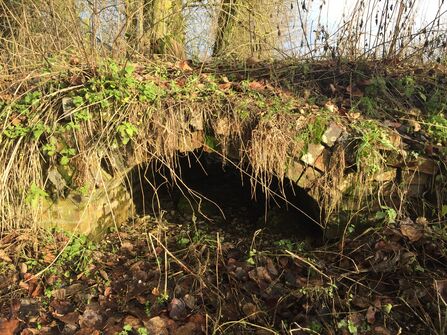
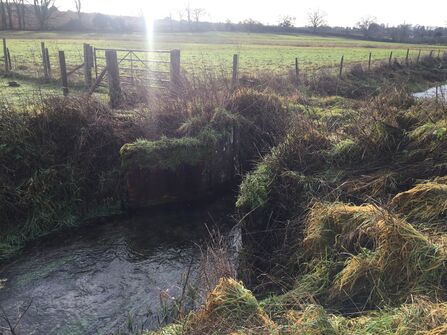
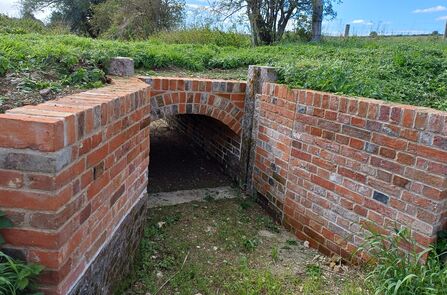
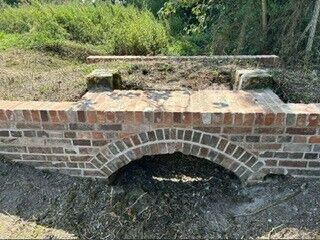
This summer, we restored two important water meadow structures on the Candover Brook in Totford, a cart bridge and a smaller bridge with sluice. 

The cart bridge once enabled access between the meadows and nearby fields, while the smaller sluice bridge helped control the intricate flow of water through the system. The meadow system here may date back as far as 1639, with later additions around 1700 and 1800 reflecting centuries of use, adaptation and repair. 

Before

Before the work began, the area was surveyed for the endangered, white-clawed crayfish - the UK’s only native crayfish species to ensure none were present. With the channel dry during the summer months, restoration specialists were able to carry out the work more easily and with minimal ecological impact. 

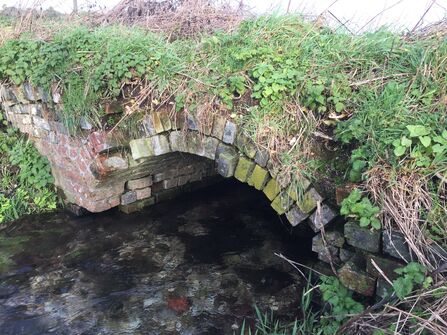
During

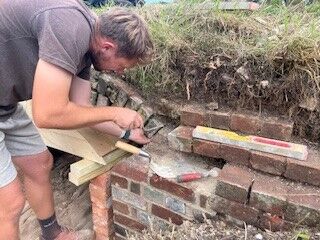
Vegetation was cleared, the side walls were repaired, and wooden formers were used to rebuild the brick arches. 

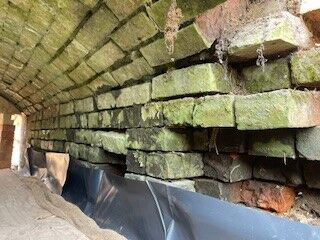
After

These restorations were completed in September 2025. They not only preserve a piece of Hampshire’s agricultural heritage but also reconnect us with the region’s long tradition of working in harmony with its chalk streams.  

Learn more about the Heritage Structure Restoration project and explore other completed restoration work on our website: www.hiwwt.org.uk/watercress-and-winterbournes/heritage-structure-restoration